Local
Bears and Lions: a Thanksgiving mega-matchup that's truly delicious — and long overdue
A Roundtable is a way to meet new people and discuss this article in person at a local coffee shop or other venue.
Roundtables are designed for groups of four, with a shared subject and room for everyone to speak. Come for discussion, with no dating expectation.
Source: Chicago Sun-Times
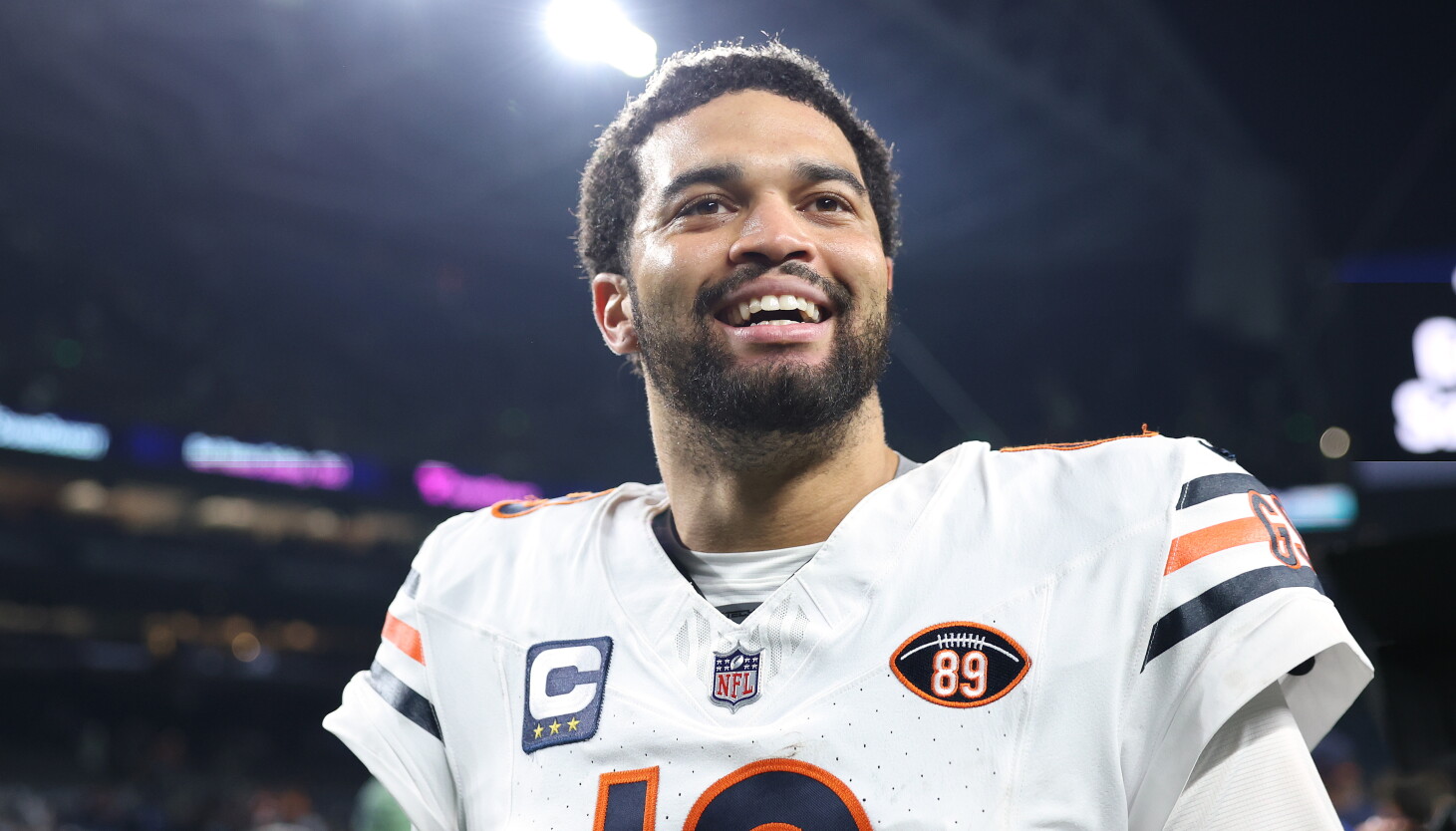
DETROIT — Three things I think I know about the Bears, who are all set to take on the Lions in a Thanksgiving showdown of NFC North co-leaders: 1. They’re “thanks”-worthy — and the Lions are, too — for a change: Who could forget the first of the Bears’ and Lions’ 20 head-to-head matchups on Thanksgiving, back in 1934? Goodness, how exciting. The Bears were 11-0. The Lions were 10-1. America gathered in front of the TV and … wait, no TVs? Never mind. The matching 8-2 records aren’t quite as pristine in meeting No. 21, the rivals’ 14th Turkey Tussle since the NFL started televising these games, but it’s only the second time in the TV era — and the first since 1991 — both teams come in with winning records. And that makes this one a gift to behold. Generally speaking, Bears-Lions on Thanksgiving has been as appetizing as thick-skinned gravy ladled out of an old shoe. When the Bears have been good, the Lions have been bad. When the Bears have been bad, the Lions have been good.
This excerpt comes from the named source. Read the original for the full reporting.
Read the original at Chicago Sun-Times



