Local
Before Last Night, the Sixers Were 0-156 While Down by 29 or More Points in a Regular Season Game
A Roundtable is a way to meet new people and discuss this article in person at a local coffee shop or other venue.
Roundtables are designed for groups of four, with a shared subject and room for everyone to speak. Come for discussion, with no dating expectation.
Source: Crossing Broad
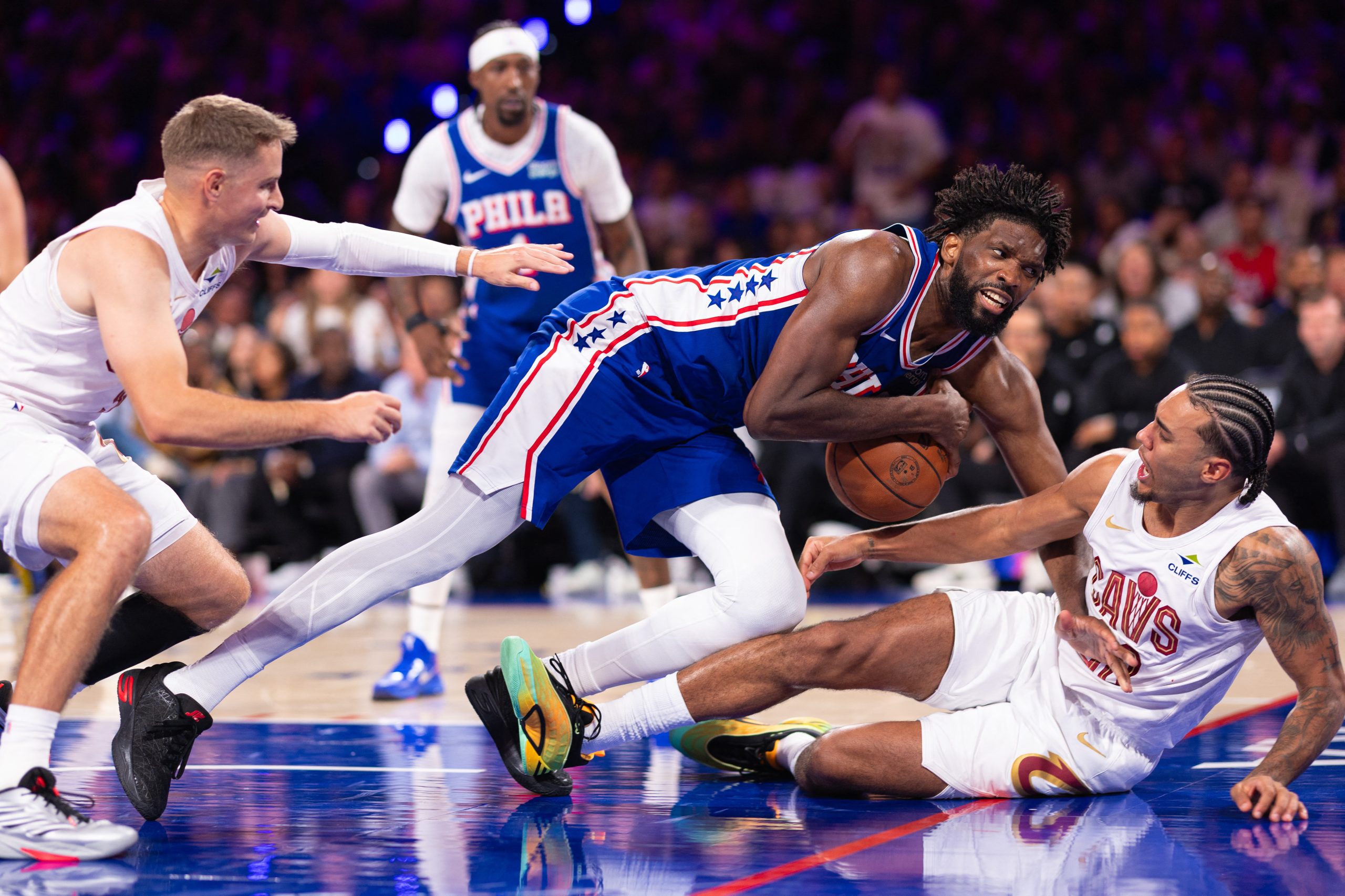
Ad Disclosure The Philadelphia 76ers are off to a 2-0 start in about as thrilling a fashion as possible. After spoiling ring night for the defending-champion New York Knicks, the Sixers raised the bar further with a historic come-from-behind victory in the home opener. Plenty of pomp and circumstance surrounded LeBron James’ home debut. The intensity shined through the screen, with the atmosphere far surpassing plenty of NBA postseason games in this Tuesday night matchup. Along with this, there was a tightness and awkwardness to the Sixers’ approach in the early minutes of the game. Philadelphia coughed the ball up five times in the first 10 minutes and 15 times in the first half overall, which resulted in 22 Cleveland points off turnovers. As talented as the roster is, there will be some expected growing pains as this star-studded roster learns to play with each other.
This excerpt comes from the named source. Read the original for the full reporting.
Read the original at Crossing Broad