Local
Before Salem Named Tituba a Witch, She Had a World. Theater Director Charlotte Brathwaite Reimagines It
A Roundtable is a way to meet new people and discuss this article in person at a local coffee shop or other venue.
Roundtables are designed for groups of four, with a shared subject and room for everyone to speak. Come for discussion, with no dating expectation.
Source: Chicago Sun-Times
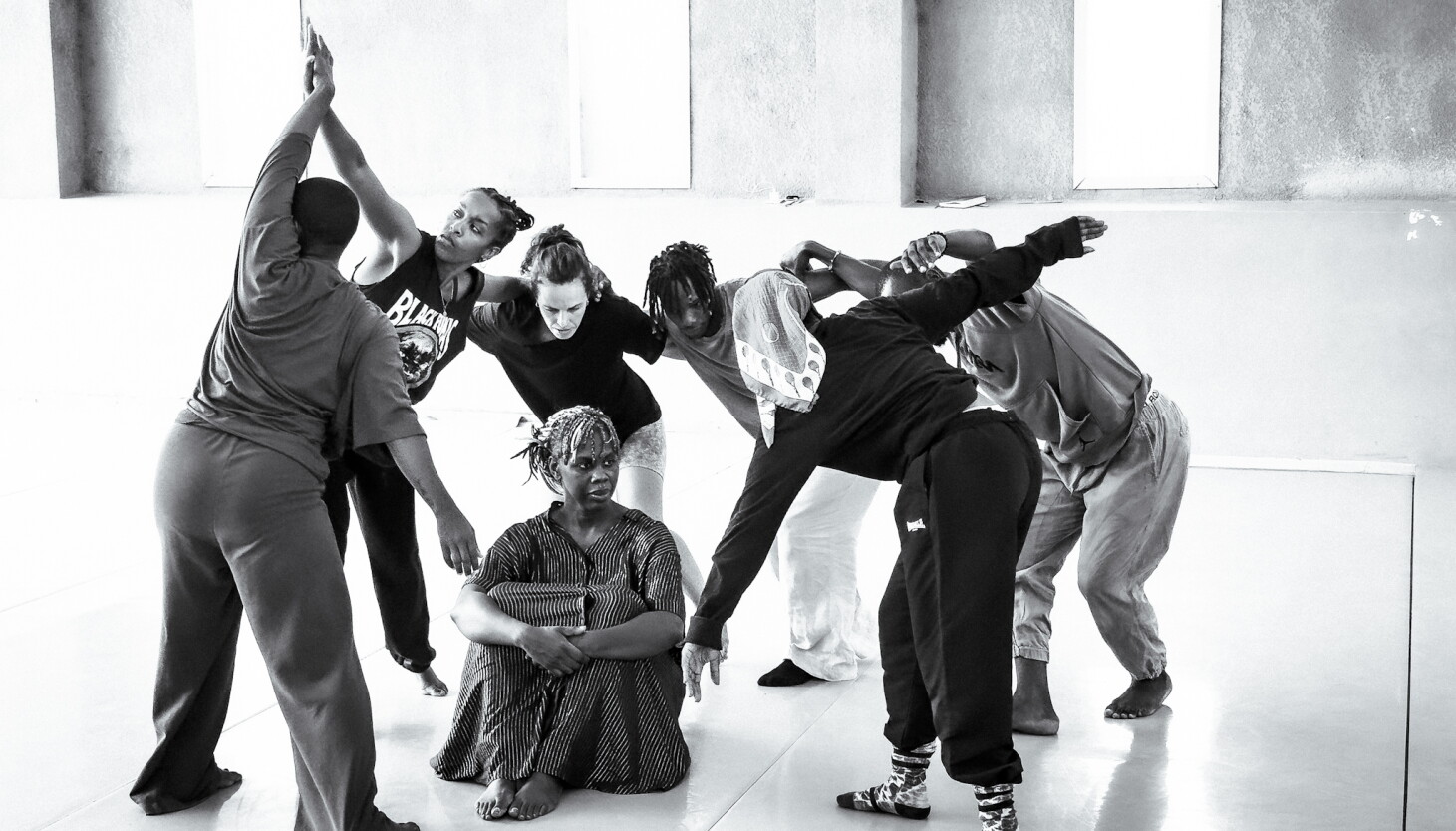
For director Charlotte Brathwaite, theater is a place where the past comes into conversation with the present. She moves freely across genres to create immersive performances that bring together music, ritual and movement, inviting audiences to encounter histories that continue to shape our lives. “I’m interested in what remains when the official record is incomplete: The things carried through music, movement, memory, language and the body,” said Brathwaite, winner of the 2023 Doris Duke Artist Award who, at 16, found her theatrical home at La MaMa Experimental Theatre Club in New York and who teaches at the New School in Greenwich Village. That’s the backstory to Brathwaite’s role as director of Court Theatre’s “Tituba,” the story of an enslaved woman accused in the Salem, Massachusetts witch trials of 1692 and featured in playwright Arthur Miller’s classic, “The Crucible.” Court Theatre presents “Tituba” Dec. 10-20 at the University of Chicago’s Rockefeller Memorial Chapel, 5850 S.
This excerpt comes from the named source. Read the original for the full reporting.
Read the original at Chicago Sun-Times