Local
Before Sneaker Hype: How the PUMA Clyde and Suede Became B-Boy Essentials
A Roundtable is a way to meet new people and discuss this article in person at a local coffee shop or other venue.
Roundtables are designed for groups of four, with a shared subject and room for everyone to speak. Come for discussion, with no dating expectation.
Source: Raptology
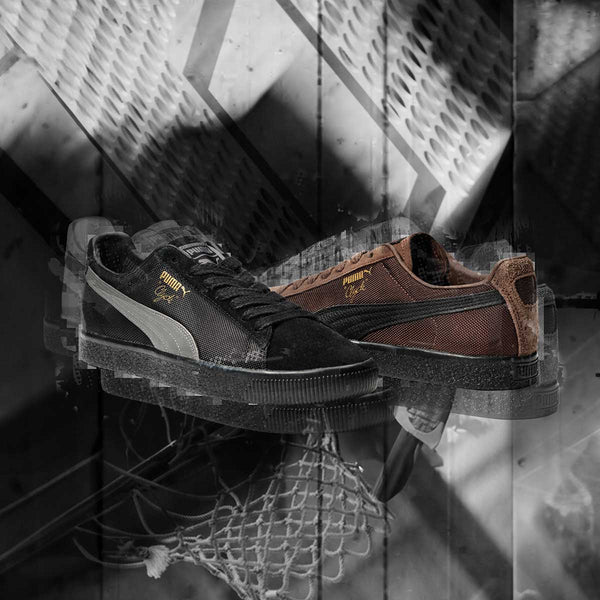
Before sneaker collaborations became an expected part of a rapper’s rollout, a low-cut suede basketball shoe was already moving between New York courts, dance floors and neighborhood style. The PUMA Clyde and its closely related Suede silhouette offer a revealing history of how hip-hop made sportswear its own. This was not a marketing campaign engineered around a celebrity musician. The relationship grew from the people wearing the shoes. From Walt Frazier to the street PUMA’s own history of the Suede traces the Clyde designation to New York Knicks guard Walt “Clyde” Frazier. His association with the shoe connected a basketball signature to a wider sense of metropolitan style. PUMA explains that the Clyde name eventually gave way to Suede in international markets because the company did not retain worldwide rights to the player’s nickname.
This excerpt comes from the named source. Read the original for the full reporting.
Read the original at Raptology


