Local
Besos y Copas: Mireya Ramos of Flor de Toloache on NYC Style Mariachi, Female Empowerment Through Music, and Rancheras as Therapy
A Roundtable is a way to meet new people and discuss this article in person at a local coffee shop or other venue.
Roundtables are designed for groups of four, with a shared subject and room for everyone to speak. Come for discussion, with no dating expectation.
Source: El Observador
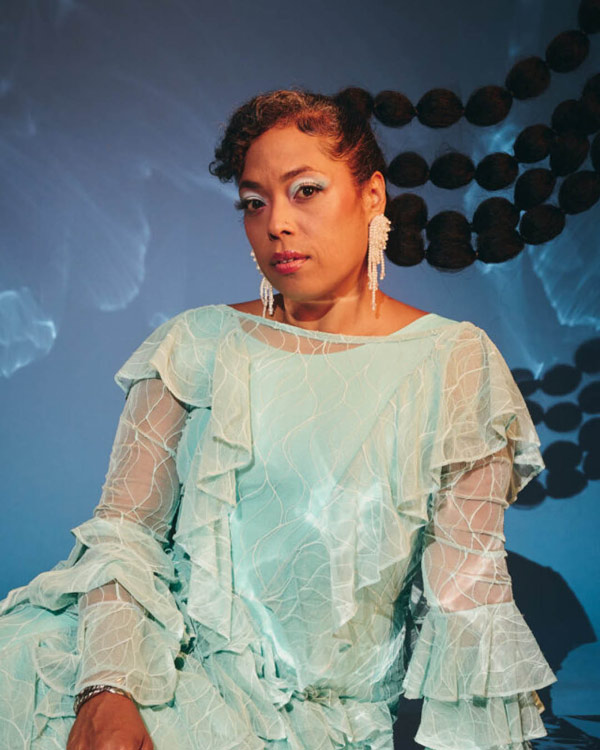
Arturo Hilario El Observador Flor de Toloache is an all-female mariachi group founded in 2008 and based out of New York City. In 2017 they won a Latin Grammy for Best Ranchero/Mariachi Album, and continued evolving their unique contemporary approach to the classic Mexican genre. The group is set to perform at SFJAZZ at the Miner Auditorium in San Francisco on Saturday November 21, bringing their eclectic New York style mariachi sound and accompanied by founding member Mireya Ramos’ solo music which at its core is a serenade to feminism and cultural memory. Founded by Mireya Ramos and Shae Fiol, Flor de Toloache was a reflection of the diverse and but also sparse world of Mexican music representation in New York City, a place that would eventually grow its Mexican diaspora and cultural reach but a place that was also difficult to fill up an all-female mariachi group in the Obama era, as Ramos can attest.
This excerpt comes from the named source. Read the original for the full reporting.
Read the original at El Observador


