Local
Best LGBTQ+ TV shows of 2026 and where to stream them
A Roundtable is a way to meet new people and discuss this article in person at a local coffee shop or other venue.
Roundtables are designed for groups of four, with a shared subject and room for everyone to speak. Come for discussion, with no dating expectation.
Source: Out
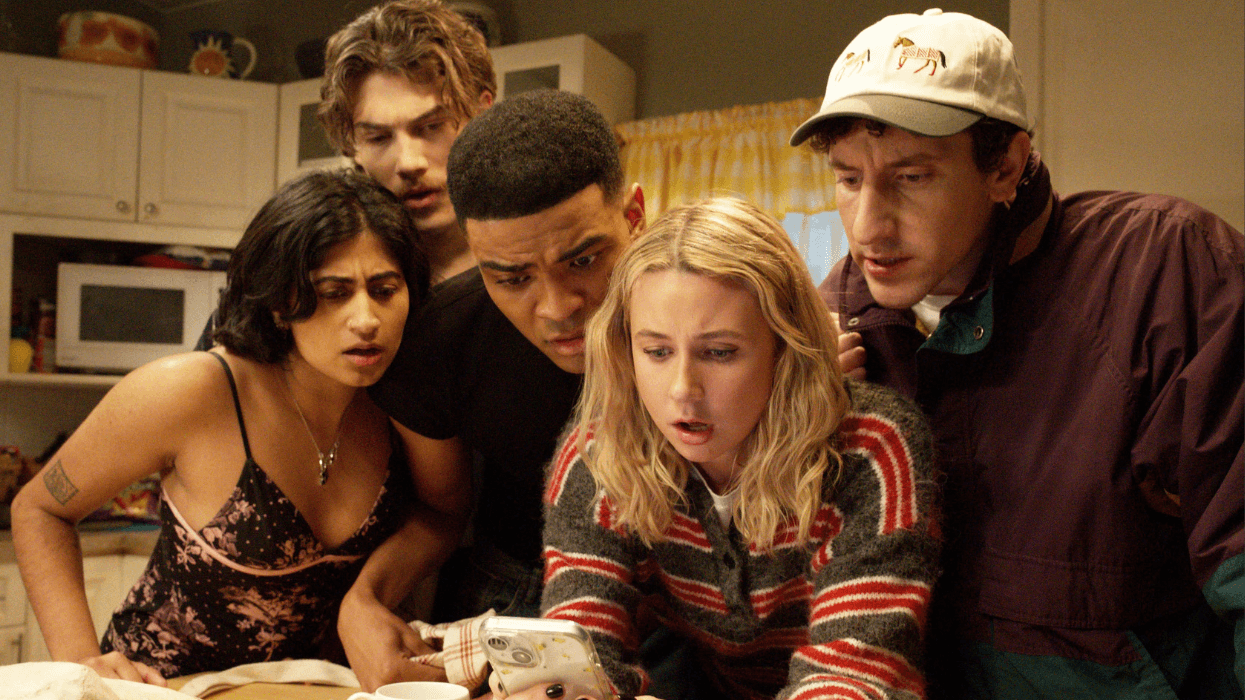
Queer television had some pretty big shoes to fill in 2026! After all, 2025 was a pretty incredible year for LGBTQ+ stories. From the lesbian-led sci-fi sensation Pluribus to the scandalously sapphic drama of The Hunting Wives, queer television was having a moment. And just when we thought the year couldn't get any gayer, Heated Rivalry skated into our hearts and turned a steamy romance between two rival hockey players into a full-blown cultural phenomenon. The obsession with Heated Rivalry and Pluribus followed us well into 2026, and suddenly, some of the buzziest shows on television were also some of its queerest. The numbers were encouraging, too. GLAAD's Where We Are on TV report found that LGBTQ+ representation increased during the 2024–2025 television season, with 489 queer characters appearing across broadcast, cable, and streaming. But despite the enormous success of LGBTQ+-led shows, representation took a troubling turn in 2026.
This excerpt comes from the named source. Read the original for the full reporting.
Read the original at Out


