Local
Beyond the Algorithm: A plan worth keeping
A Roundtable is a way to meet new people and discuss this article in person at a local coffee shop or other venue.
Roundtables are designed for groups of four, with a shared subject and room for everyone to speak. Come for discussion, with no dating expectation.
Source: Snowmass Village Sun
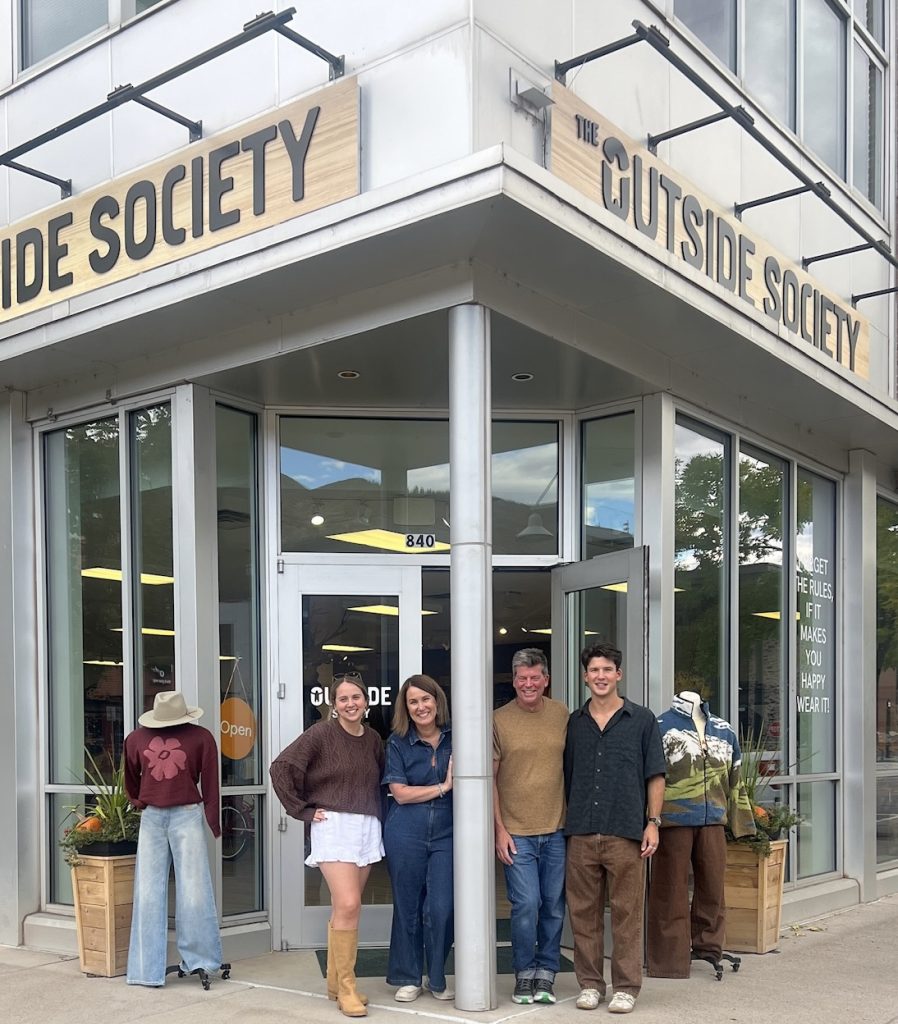
When Christopher Martens met his future wife, he planned to move back to Colorado and open an outdoor store within six months. A corporate career and raising a family stretched that timeline considerably. Today, they are partners in The Outside Society. Bryan: Tell us your valley origin story. Christopher: Our son raced Nordic skiing for Boulder, so we would come up here for his races against AVSC and fell in love with the valley. The move came later, after my corporate career, when my wife and I were empty nesters and ready to open our own store. We’ve lived here for three years now, and the business is approaching its second anniversary. The primary draw was outdoor activities. Having that easy access in such a beautiful place was a big part of it. Bryan: When did the idea of opening an outdoor apparel store first dawn on you? Christopher: In my mid-20s, I went on a road trip with two friends. We drove from Florida to Alaska, camping and hitting national parks along the way.
This excerpt comes from the named source. Read the original for the full reporting.
Read the original at Snowmass Village Sun


