Local
Bobcat season opens Nov. 23 in Pembina Gorge area
Meet in Common connects news with real conversations. Use ThinkMatch to arrange a Roundtable and meet people to discuss this story.
Source: Grand Forks Herald
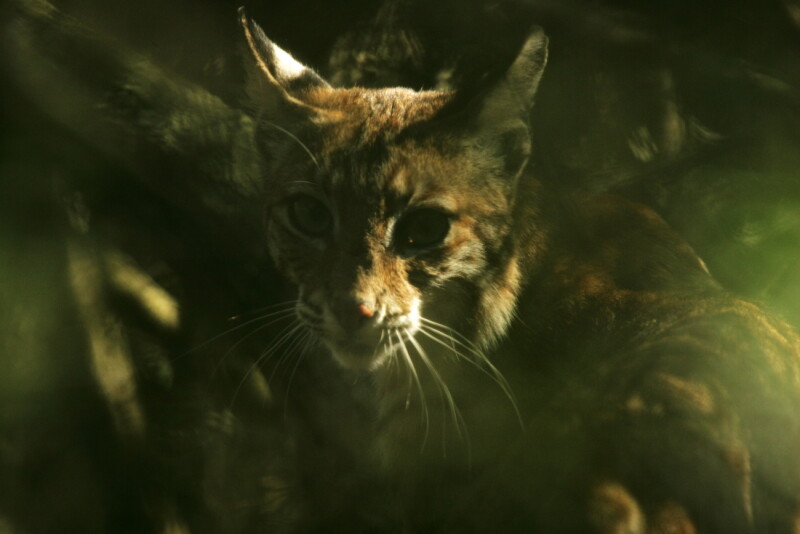
North Dakota fur harvesters and hunters may pursue bobcats in the northeast region, particularly in the Pembina Gorge area or Zone 2, beginning Nov. 23. The bobcat season in the region comes a day after deer gun season closes in the state. The bobcat season will run through March 15 in Zone 2, unless the harvest limit is reached before then. As in previous years, the zone’s harvest limit is eight bobcats for the season. A hunter with a furbearer license may shoot or trap one bobcat. “There’s a pretty limited harvest” in that part of the state, said Stephanie Tucker, furbearer biologist and game management section leader with the North Dakota Game and Fish Department. “Once eight bobcats are taken in the Pembina Gorge region, the season will shut down.” After decades being closed, North Dakota opened its bobcat season in the region in 2021 after the population numbers were on the upswing.
This excerpt comes from the named source. Read the original for the full reporting.
Read the original at Grand Forks Herald


