Local
BOLI reverses position on stalled affordable housing development in Astoria
A Roundtable is a way to meet new people and discuss this article in person at a local coffee shop or other venue.
Roundtables are designed for groups of four, with a shared subject and room for everyone to speak. Come for discussion, with no dating expectation.
Source: The New Era
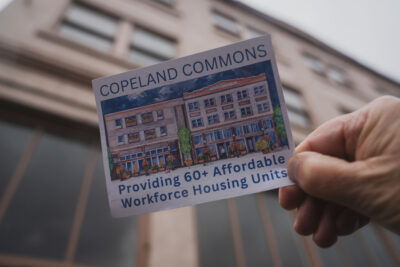
The Oregon Court of Appeals said the agency misinterpreted prevailing wage law. That ruling will save Copeland Commons millions and greenlight more building conversions. By Nigel Jaquiss Oregon Journalism Project The Oregon Bureau of Labor and Industries has reversed itself on the matter of requiring prevailing wages on some residential developments. In 2025, BOLI told a developer of a proposed conversion of a vacant Astoria hotel into a 64-unit affordable housing complex that it would have to pay prevailing, i.e., union-scale, wages on the project. That ruling increased the cost by $2.5 million and halted the development. Now, 22 months later, BOLI has reversed itself, following a ruling earlier this fall by the Oregon Court of Appeals. As a result, Astoria will get dozens of badly needed new apartments. And it should now become easier statewide to convert empty offices, dormant churches, and vacant schools into affordable housing.
This excerpt comes from the named source. Read the original for the full reporting.
Read the original at The New Era