Local
Book review: Forest Martin’s journey from Angola to the Governor’s Mansion
A Roundtable is a way to meet new people and discuss this article in person at a local coffee shop or other venue.
Roundtables are designed for groups of four, with a shared subject and room for everyone to speak. Come for discussion, with no dating expectation.
Source: Yucaipa/Calimesa News Mirror
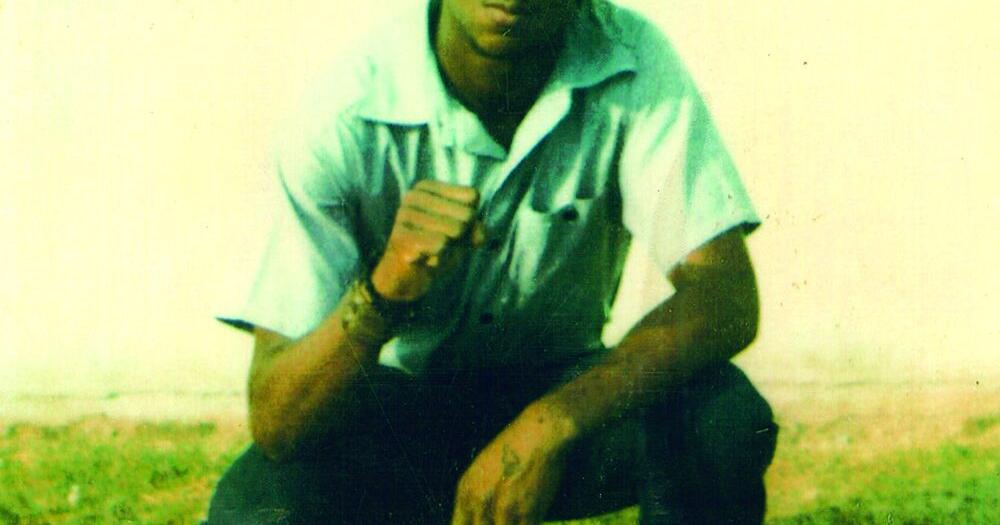
Forest “The Saint” Hammond 18, spring of 1974 — classified as a typist clerk in the GATB Testing Department in the Reception Center on the Hill. (Forest Martin/Submitted) A life sentence in prison and a position serving a governor’s family may seem like two vastly different paths. For Forest Martin, they became part of the same chapter of his life.Martin recounts that journey in “With Edwards in the Governor’s Mansion: From Angola to Free Man,” published by Pelican Publishing Company in 2012. The book follows his life from his early years as an athlete recruited to play football at Southern Illinois University to a high profile murder prosecution that led to his imprisonment at Louisiana State Penitentiary at Angola.Martin spent five years and three months at Angola before being transferred to the Governor’s Mansion, where he worked as a butler and driver for Gov. Edwin Edwards, his family and their guests. During the day, he served the governor’s household.
This excerpt comes from the named source. Read the original for the full reporting.
Read the original at Yucaipa/Calimesa News Mirror


