Local
Born 68 Years Ago Today in a Tiny West Texas Farming Town, the Co-Founder of One of the Most Successful All-Female Country Bands Ever
A Roundtable is a way to meet new people and discuss this article in person at a local coffee shop or other venue.
Roundtables are designed for groups of four, with a shared subject and room for everyone to speak. Come for discussion, with no dating expectation.
Source: American Songwriter
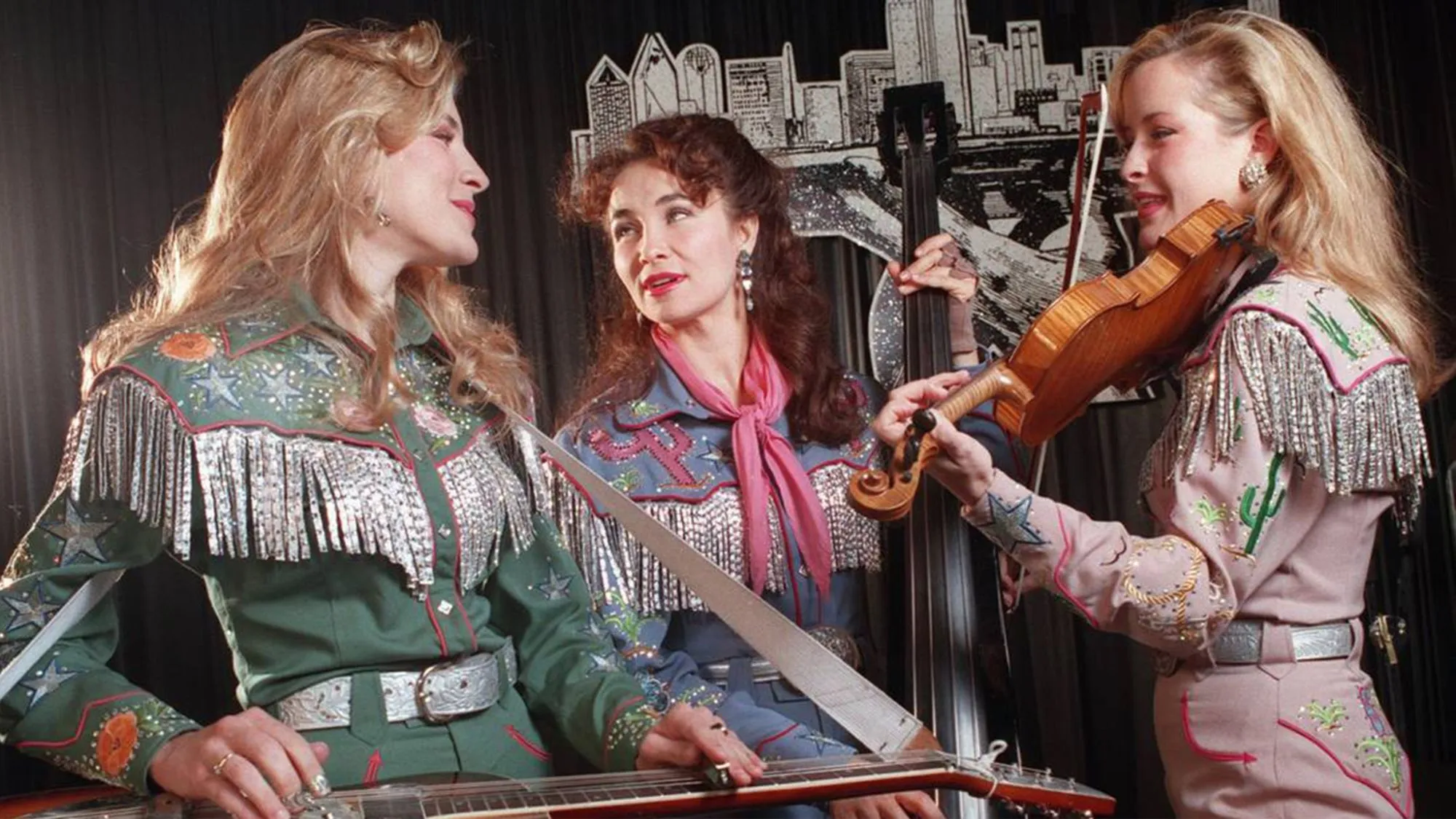
On this day (November 18) in 1958, Laura Lynch was born in Dell City, Texas — a small farming community about 100 miles east of El Paso. In 1989, Lynch founded bluegrass outfit the Dixie Chicks — now known as The Chicks — which would soon take its place in history as one of the most enduring all-female outfits in country music. Playing upright bass and singing, Lynch recorded just three albums with the group before leaving in 1995. Producers brought in Natalie Maines to replace her, and the trio went on to notch six No. 1 hits and collect 13 Grammys, 10 CMA Awards, and eight ACMs. Videos by American Songwriter Lynch walked away from music after quitting the Chicks, going on to work in the rare earth minerals industry and renovate rental properties in her West Texas hometown. She also worked as a public relations officer with the University of Texas Southwestern Medical Center in Dallas. On December 22, 2023, Laura Lynch died following a head-on collision in El Paso, Texas.
This excerpt comes from the named source. Read the original for the full reporting.
Read the original at American Songwriter


