Local
Born 89 Years Ago Today in Chicago, the Folk Legend Whose Songs Have Been Recorded by Bob Dylan, Dolly Parton, and Johnny Cash
Meet in Common connects news with real conversations. Use ThinkMatch to arrange a Roundtable and meet people to discuss this story.
Source: American Songwriter
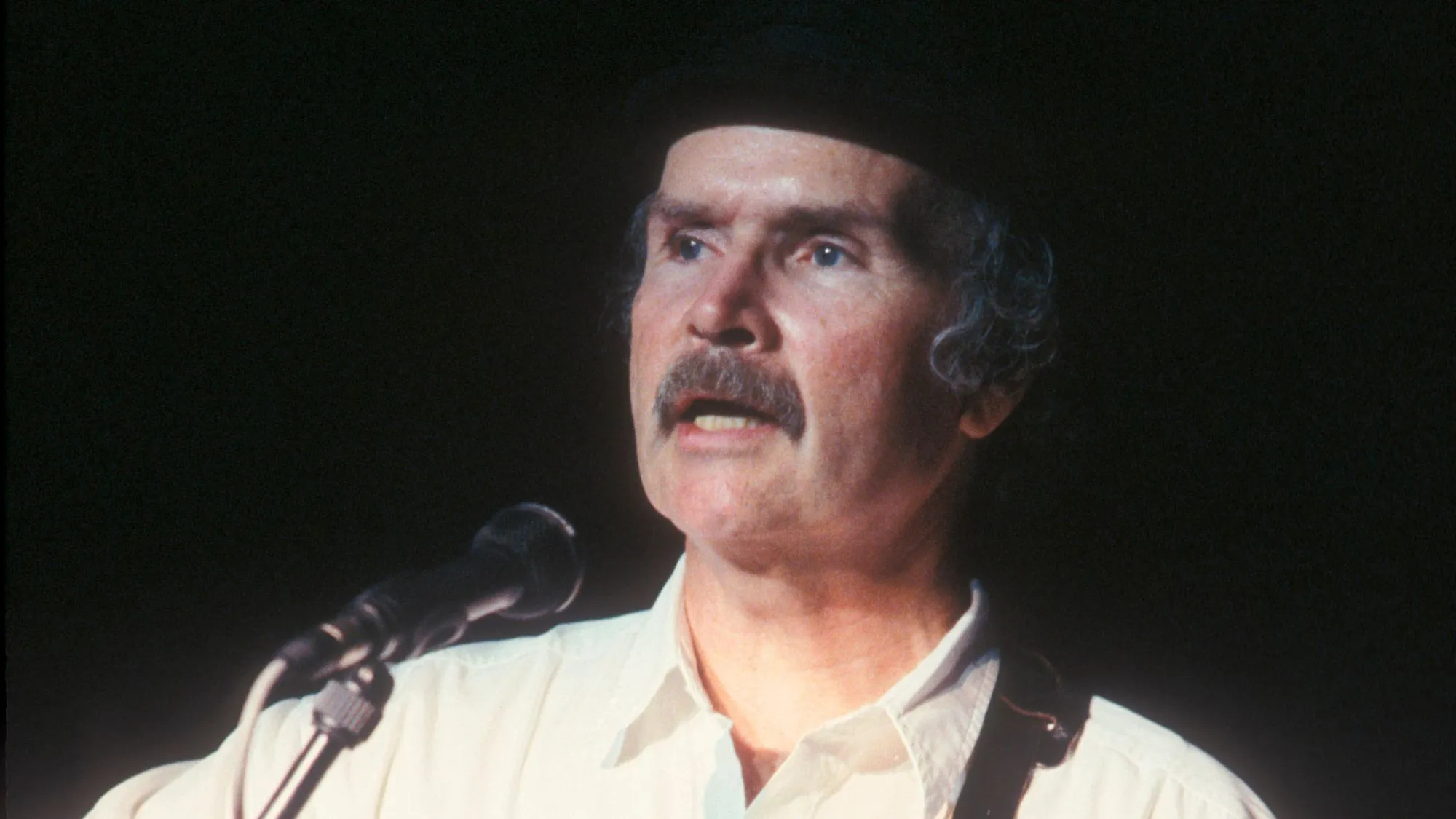
On this day (October 31) in 1937, folk singer-songwriter Thomas Richard Paxton was born in Chicago, Illinois. With a career spanning seven decades, Paxton has chronicled the human condition in real time with songs like “The Last Thing On My Mind”, “Bottle of Wine”, and “Ramblin’ Boy”. He has also seen his work covered by the likes of Dolly Parton and Porter Wagoner, Johnny Cash, Willie Nelson, Bob Dylan, and more. Today, we’re taking a trip through the life and career of Tom Paxton in honor of his 89th birthday. Videos by American Songwriter Tom Paxton Helped Shaped the Folk Scene The son of a chemist, Tom Paxton moved to Bristow, Oklahoma, with his family at age 10. At 15, he received his first ukulele before moving on to the guitar, diving headfirst into the work of Harry Belafonte and Burl Ives. After graduating from high school, he majored in drama at the University of Oklahoma.
This excerpt comes from the named source. Read the original for the full reporting.
Read the original at American Songwriter