Local
Born to run (the family business)
A Roundtable is a way to meet new people and discuss this article in person at a local coffee shop or other venue.
Roundtables are designed for groups of four, with a shared subject and room for everyone to speak. Come for discussion, with no dating expectation.
Source: Salve Regina University
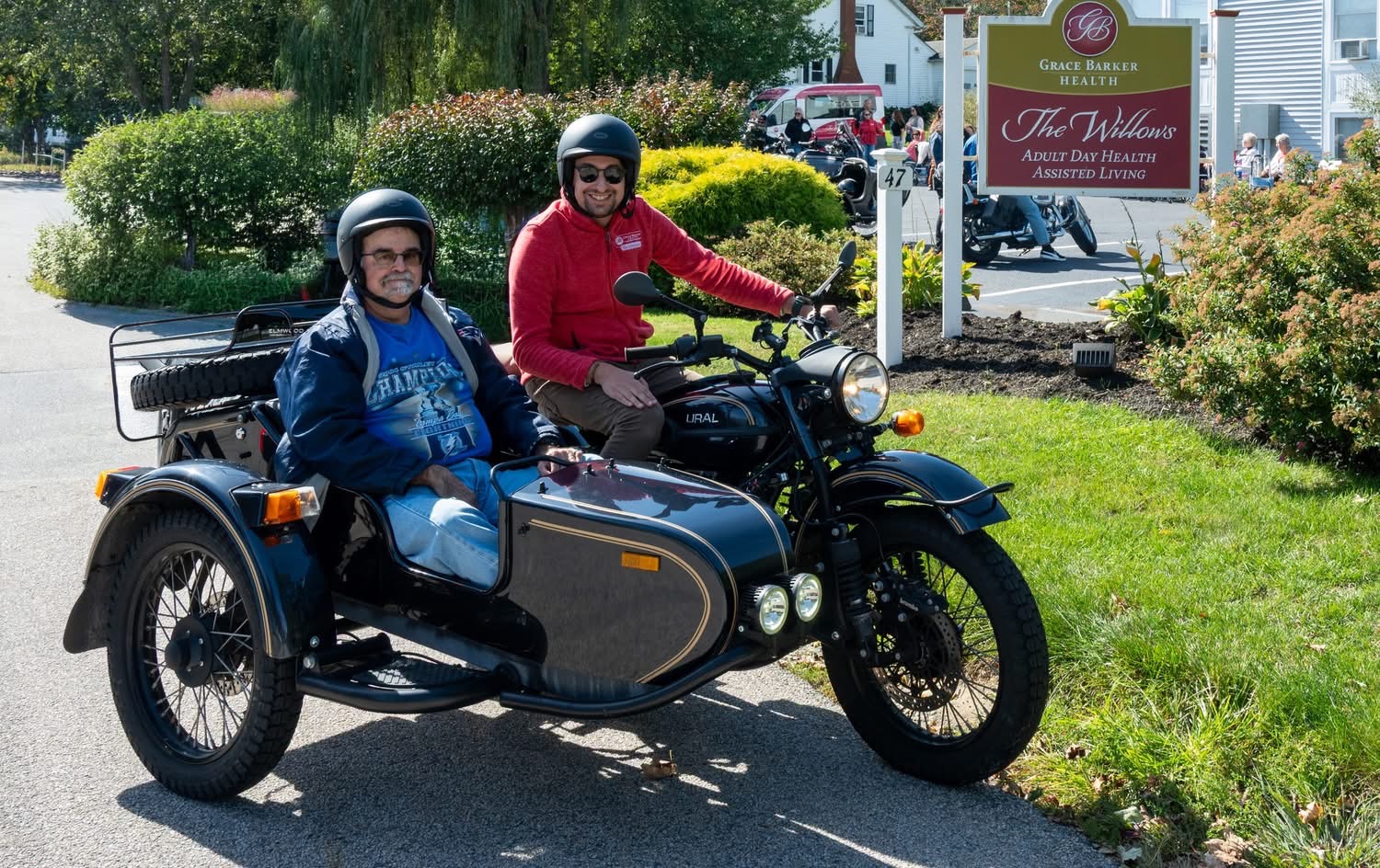
November 20, 2026 Ben Lescault '18, '19 (M) became Rhode Island's youngest nursing home administrator at age 26. Talking with Ben Lescault '18, '19 (M) is like speed dating. He has a million stories and shares all of them with great enthusiasm and joy. He talks fast and smiles even faster. It's clear that this is a guy who loves what he does. What he does is run a nursing home, leaning on decades of immersion in the business. And he's barely 30 years old. Wait. What? A different kind of childhood Lescault, a graduate of Salve's undergraduate and graduate programs in healthcare administration, grew up in the world of elder care. His grandmother founded Grace Barker Nursing Home (now Grace Barker Health) in 1966 in Warren, Rhode Island. His parents ran it until 2023 when Ben took over at age 26 – at that time, the youngest elder care administrator in the state. "It's all I've ever known," Lescault said. "Mom was the director of nursing and dad was the administrator.
This excerpt comes from the named source. Read the original for the full reporting.
Read the original at Salve Regina University


