Local
Bothwell board welcomes new doctor, reviews financial trends
A Roundtable is a way to meet new people and discuss this article in person at a local coffee shop or other venue.
Roundtables are designed for groups of four, with a shared subject and room for everyone to speak. Come for discussion, with no dating expectation.
Source: Sedalia Democrat
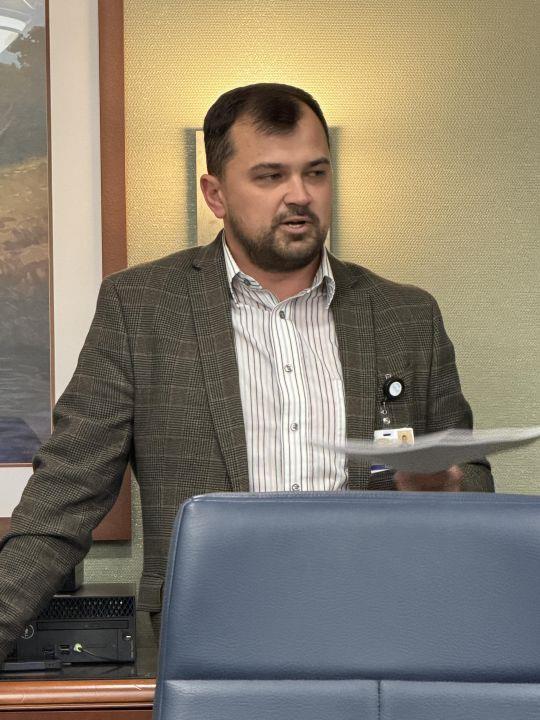
Bothwell Regional Health Center interim CEO Mike Harvey introduced the hospital’s newest healthcare provider, Dr. Pavlo Kolyesnykov, during the Board of Trustees meeting Tuesday, Nov. 24. “I was born in Ukraine, but I grew up here in Sedalia, graduated from Smith-Cotton in 2009,” Kolyesnykov said. “I went to Mizzou for a couple of years and then transferred to the University of Minnesota where I got my Hospital Administration degree, then I went to podiatrist school in Des Moines, Iowa.” After a surgical residency program in Fargo, North Dakota, doing trauma and reconstructive surgery at the Orthopedic Hospital, Kolyesnykov continued to a fellowship in Chicago. “And now I’m here, my clinic three days a week is at Bothwell Orthopedics at The Healing Arts Building,” Kolyesnykov said. “I do have a day of clinic Friday at the Wound Care Clinic right here. My operative days will be on Wednesday.” Kolyesnykov is married with four children and has extended family on both sides in Sedalia.
This excerpt comes from the named source. Read the original for the full reporting.
Read the original at Sedalia Democrat


