Local
Brazilian students and faculty react to Lula-Bolsonaro election
Meet in Common connects news with real conversations. Use ThinkMatch to arrange a Roundtable and meet people to discuss this story.
Source: The Stanford Daily
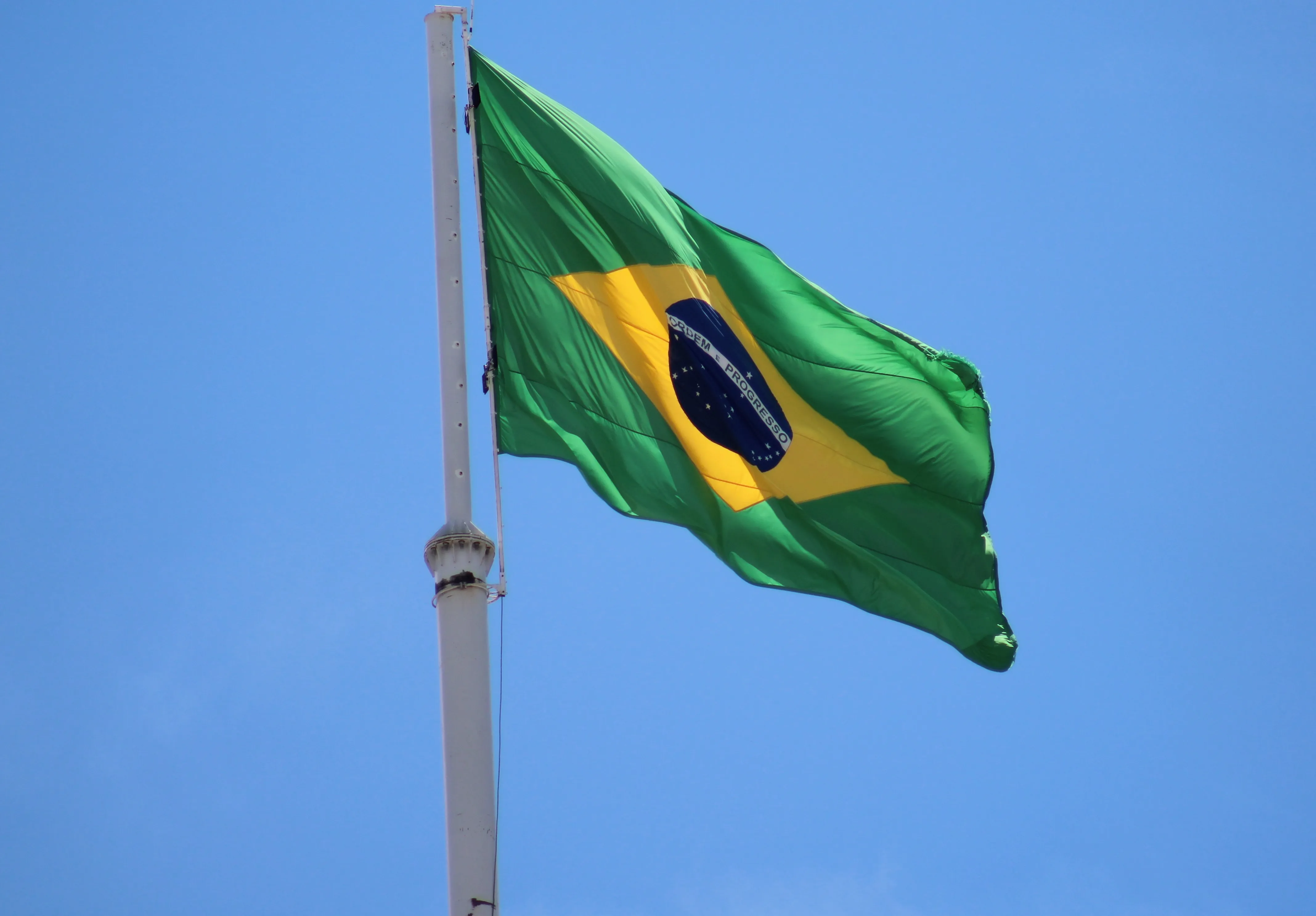
President Luiz Inácio Lula da Silva triumphed over Flávio Bolsonaro in the Brazilian presidential elections on Oct. 25, becoming the first candidate to overturn a first-round defeat in a presidential election in Brazil since its return to democracy in 1985. Stanford students and faculty attributed the comeback to mass mobilization on social media. When Brazilian student Juliana Abreu ’28 first heard that Flávio Bolsonaro was running for president, she “thought it was a joke.” Bolsonaro is embroiled in various corruption scandals and ties to Daniel Vorcaro, a banker and businessman known as “Brazil’s Jeffrey Epstein.” Bolsonaro is the son of former President Jair Bolsonaro who is currently serving a 27 year house arrest sentence. Jair was convicted of plotting a coup attempt following his defeat against Lula in the 2022 Brazilian elections.
This excerpt comes from the named source. Read the original for the full reporting.
Read the original at The Stanford Daily