Local
Burlington County schedules five public sessions to help write a plan to improve traffic safety.
A Roundtable is a way to meet new people and discuss this article in person at a local coffee shop or other venue.
Roundtables are designed for groups of four, with a shared subject and room for everyone to speak. Come for discussion, with no dating expectation.
Source: 70and73
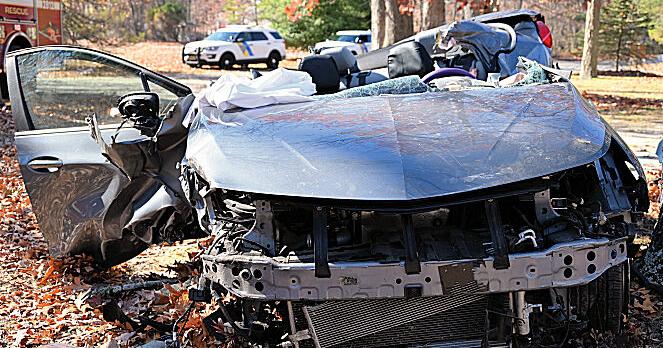
Burlington County, where an average of more than 40 people annually die in traffic accidents, will hold a series of public input sessions beginning this week to develop a plan to make road travel safer. Although the Burlington County Complete Network Plan will try to make transportation safer for all uses, the project will focus on determining where pedestrians and bicyclists are most at risk and make recommendations for improvements. Last year, 43 people died in traffic accidents in Burlington County. Nine of them were pedestrians and one was a bicyclist, according to New Jersey State Police data. Burlington County had a total of 54,414 traffic accidents between 2021 and 2025, according to New Jersey Department of Transportation crash data.
This excerpt comes from the named source. Read the original for the full reporting.
Read the original at 70and73


