Local
Burning pastures to control troublesome grasses
Meet in Common connects news with real conversations. Use ThinkMatch to arrange a Roundtable and meet people to discuss this story.
Source: Farm Talk
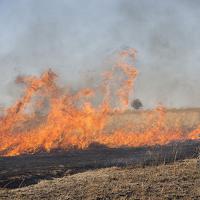
Todd Johnson Many producers deal with the frustration of controlling grassy weeds in pastures across northeast Oklahoma. Broomsedge bluestem, also known as sage grass, and prairie threeawn, also known as wire grass, can be some of the most troublesome grass species due to their ability to quickly establish themselves across a pasture. These species also have low palatability for livestock, causing the livestock to apply more grazing pressure to the desirable forages in the grazing area. This preferential grazing is expected and can lead to overgrazing a pasture.Strategies for controlling these grasses vary depending on the production system and the forage species being promoted. For example, if native forages like big bluestem, little bluestem, and sideoats grama are the desired species, land managers have very limited herbicide options for controlling grassy weeds.
This excerpt comes from the named source. Read the original for the full reporting.
Read the original at Farm Talk