Local
California Approves 3.4 Billion for Transportation Projects to Improve Safety and Infrastructure
A Roundtable is a way to meet new people and discuss this article in person at a local coffee shop or other venue.
Roundtables are designed for groups of four, with a shared subject and room for everyone to speak. Come for discussion, with no dating expectation.
Source: SierraDailyNews.com
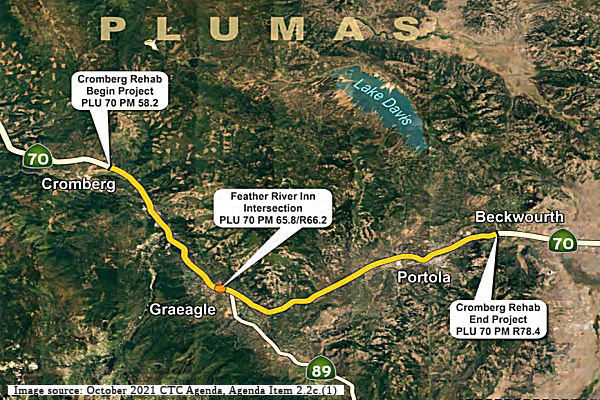
The California Transportation Commission reports it recently approved $3.4 billion for more than 120 transportation projects to improve highway safety, strengthen critical infrastructure and expand transportation options statewide. Among the projects is an intersection connection near Blairsden. More than 75% of the investment ($2.7 billion) features annual funding to support approximately 600 local governments and regional transportation authorities to maintain bridges, reduce commute times, improve safety, cut greenhouse gas emissions and expand transportation services to communities throughout the state. Of the combined total, nearly $136 million came from the federal Infrastructure Investment and Jobs Act of 2021 and another $300 million from California’s Senate Bill 1, the Road Repair and Accountability Act of 2017. Under Gov.
This excerpt comes from the named source. Read the original for the full reporting.
Read the original at SierraDailyNews.com