Local
California Forever Isn’t on the Ballot, but It’s Looming Large Over Local Elections | KQED
A Roundtable is a way to meet new people and discuss this article in person at a local coffee shop or other venue.
Roundtables are designed for groups of four, with a shared subject and room for everyone to speak. Come for discussion, with no dating expectation.
Source: KQED
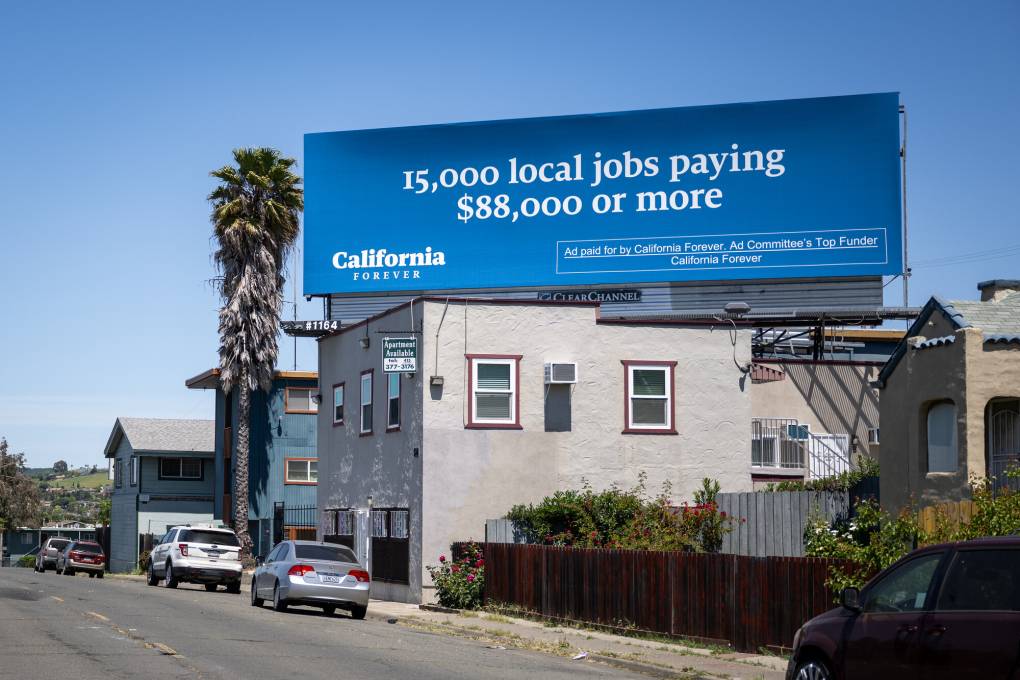
The small North Bay community of Suisun City has a lot of problems facing it: a chronic budget deficit, empty stores on its picturesque marsh-facing waterfront and a scant supply of city staff to maintain public services, to name a few. But all of those are dwarfed by the billionaire-backed elephant in the room: California Forever. The controversial developer has loomed over election campaigns across Solano County. City Council and county supervisor candidates are taking stances on how they feel about the company and its plan to build homes and apartments for more than 100,000 people, retail, offices, and an advanced manufacturing center, among other ideas that could reshape the region — regardless of whether they’ll have any voting power to approve or reject the proposal. But nowhere are the stakes higher than in Suisun City.
This excerpt comes from the named source. Read the original for the full reporting.
Read the original at KQED


