Local
Catholic Schools Open Their Doors, Share Their Story
Meet in Common connects news with real conversations. Use ThinkMatch to arrange a Roundtable and meet people to discuss this story.
Roundtables are designed for groups of four, with a shared subject and room for everyone to speak. Come for discussion, with no dating expectation.
Source: The Tablet Catholic Newspaper
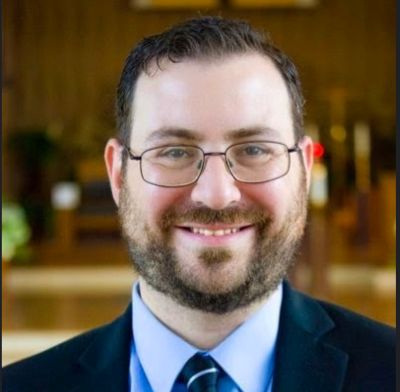
by Paul Morisi Every January, Catholic schools across the country celebrate Catholic Schools Week with Masses, assemblies, and open classrooms. It is a joyful week, but it is largely a family celebration, a time for those already inside our school communities to give thanks for what we share. But before that, from Nov. 15-21, the National Catholic Educational Association invites us to do something different: to turn outward and let our neighbors discover what we already know. Discover Catholic Schools Week was added to the calendar at the request of Catholic schools themselves. Fall is when families begin the important work of choosing a school. They visit, they ask questions, they compare. The week gives Catholic schools a shared national moment to welcome prospective families, donors, educators, and community members, and to show them what makes a Catholic education worth choosing. The daily themes read almost like a map of the people who make a Catholic school what it is.
This excerpt comes from the named source. Read the original for the full reporting.
Read the original at The Tablet Catholic Newspaper


