Local
【CDT关注】水瓶纪元|洛阳“珠宝大王”年永安:当庭举报官员背后的罪与非罪
Meet in Common connects news with real conversations. Use ThinkMatch to arrange a Roundtable and meet people to discuss this story.
Roundtables are designed for groups of four, with a shared subject and room for everyone to speak. Come for discussion, with no dating expectation.
Source: China Digital Times
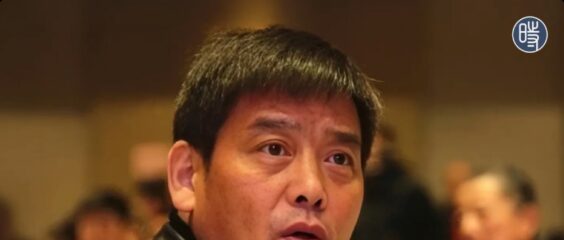
CDT 档案卡 标题:洛阳“珠宝大王”年永安:当庭举报官员背后的罪与非罪 作者:陆青 发表日期:2026.11.14 来源:水瓶纪元 主题归类:民营企业家 CDS收藏:人物馆 版权说明:该作品版权归原作者所有。中国数字时代仅对原作进行存档,以对抗中国的网络审查。详细版权说明。 近日,独立媒体“水瓶纪元”发表文章《洛阳“珠宝大王”年永安:当庭举报官员背后的罪与非罪》,这是其“民营企业(家)司法观察”专题报道中的一篇。民营经济的崛起是中国改革开放最重要的成果之一,然而这个撑起中国经济半壁江山的群体却长期身处不确定的风险环境:从早年的“姓社姓资”之争、对企业“原罪”的追问,到近年屡见不鲜的“远洋捕捞”式异地执法和涉黑恶指控,民营企业(家)刑事风险高发,已引起广泛关注和巨大争议。 本篇报道主人公年永安是河南鑫融基金控股份有限公司法定代表人,曾是洛阳乃至河南商界最响亮的名字之一。自2021年10月被警方带走,他已失去自由整整五年;今年9月,焦作市中站区监察委又以“案情重大复杂”为由,将对他的留置延长至2027年1月。耐人寻味的是,对年永安来说,延长留置反倒是好消息:监察机关的介入,正是他在法庭上当庭举报官员、奋力一搏换来的。 报道回溯了年永安的发迹之路。他1968年生于河南宜阳农村,18岁到洛阳摆地摊卖袜子,1997年在亚细亚商场开了一家珠宝店,此后把金鑫珠宝做成遍布河南的连锁品牌,并涉足煤矿、百货和地产。真正改变他命运的是金融。2006年,洛阳市财政出资并作为第一股东的鑫融基担保成立,年永安据称受市政府领导之邀出任董事长;此后设立的金融超市和民间借贷服务中心,国资平台持股四成;2015年鑫融基金控挂牌新三板,市值一度达52亿元,还作为施政成果写进涧西区政府工作报告。年永安本人也成了省人大代表、省劳动模范和奥运火炬手。按他自己的说法,每一步都是在政府主导下才参与的。…
This excerpt comes from the named source. Read the original for the full reporting.
Read the original at China Digital Times