Local
【CDT关注】自由亚洲电台|撤片、盯梢、匿名信:Indie China电影节在纽约挺过第二年
A Roundtable is a way to meet new people and discuss this article in person at a local coffee shop or other venue.
Roundtables are designed for groups of four, with a shared subject and room for everyone to speak. Come for discussion, with no dating expectation.
Source: China Digital Times
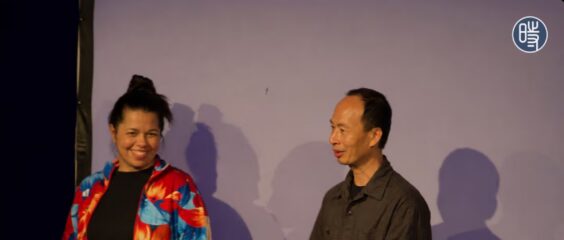
CDT 档案卡 标题:撤片、盯梢、匿名信:Indie China 电影节在纽约挺过第二年 作者:张不默 发表日期:2026.11.17 来源:自由亚洲电台 主题归类:朱日坤 CDS收藏:公民馆 版权说明:该作品版权归原作者所有。中国数字时代仅对原作进行存档,以对抗中国的网络审查。详细版权说明。 近日,自由亚洲电台(RFA)发表报道《撤片、盯梢、匿名信:Indie China电影节在纽约挺过第二年》。2026年11月15日晚,由纪录片导演、独立电影策展人朱日坤策划的第二届Indie China电影节在纽约布鲁克林闭幕。与首届几乎被压垮不同,这一届总算完整办了下来,但去年的“戏码”并未缺席:国内参展者及其家人被有关部门“关切”,纽约的放映场地收到抗议信,现场还出现身份不明者逡巡、盘问和拍摄。 报道介绍,朱日坤自2001年起投身中国独立影像运动,曾组织中国纪录片交流周、北京独立影像展,参与创办栗宪庭电影档案馆和电影学校,他担任制片的《克拉玛依》获2010年亚太电影大奖最佳纪录片。2014年栗宪庭电影基金遭警方查抄、馆藏影片被没收,他因担心家人受扰,举家移居美国。2025年的首届Indie China电影节即遭大规模打压:国内导演普遍受到警方威胁,45部影片中约40部应导演要求撤下,他的父亲也被施压来电劝阻,公开放映被迫取消。朱日坤每天发布一张独自坐在放映厅里的照片,以示抗议。 但中共的打压带来了相反的效果。首届征集的多是年轻导演偏生活化、较少触及政治的作品,到了第二届,历史与现实议题的分量反而更重。闭幕片是被视为中国首部独立纪录片的吴文光作品《流浪北京》全长版,同场还放映了周子杰的短片《对不起我录音了》,他把自己被成都警方审讯时偷录的对话剪进了片中。其他展映作品涉及暴力计划生育(赵大勇《鬼日子》)、亲历“六四”的最后一届大学毕业生(《我毕业了》)、重庆红卫兵武斗(《墓园》)、1970年黄文雄在纽约行刺蒋经国(台湾导演李惠仁《风吹》),以及旅法艺术家胡嘉岷串联法国“黄马甲”与上海白纸抗议的《还愿》。 为降低嘉宾风险,朱日坤今年有意低调:二十多部参展影片,公开节目单不列中国导演的介绍,观众看片如同开盲盒;同时增设“Indie…
This excerpt comes from the named source. Read the original for the full reporting.
Read the original at China Digital Times