Local
【CDTV】深圳APEC期间的安保措施:菜刀上锁、天桥搜包、手机镜头封条
A Roundtable is a way to meet new people and discuss this article in person at a local coffee shop or other venue.
Roundtables are designed for groups of four, with a shared subject and room for everyone to speak. Come for discussion, with no dating expectation.
Source: China Digital Times
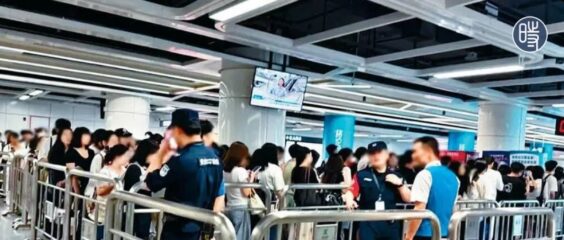
2026年11月18日至19日,亚太经合组织(APEC)第三十三次领导人非正式会议在深圳举行。会议筹备期间,深圳市及周边地区启动高等级安保,官方称进入“决战决胜”阶段、战时模式,要求“以面保点、以点控面”,重兵上街,严密环深圈层防控。与此同时,许多网友通过“李老师不是你老师”等渠道投稿或发帖,记录日常生活中遭遇的具体升级管控措施。 全市夜查 10月25日起至11月20日,深圳消防部门为APEC会议每晚开展全市消防安全夜间检查,重点包括城中村、经营性自建房、“三合一”场所,以及宾馆饭店、歌舞娱乐场所。 相关报道:联合早报 |APEC会议在即 深圳每晚安全夜查城中村、歌舞娱乐场所 刀具管控 10月30日,深圳龙华区“玖道耕全牛宴”饭店老板称,厨房菜刀被警方用链条上锁固定,链条由警察上门安装,当地整个社区都在实行这一管控。同期,多地网友反映网购刀具、五金工具、指甲刀等无法寄往深圳。 深圳开始新疆化。10月30日,广东深圳龙华区‘玖道耕全牛宴’饭店老板称,其厨房菜刀被警方用链条上锁固定。老板表示,链条是警察亲自上门安装的,并透露听说目前当地整个社区都在实行这一管控措施。 推文链接 CDT 档案卡 标题:【CDTV】深圳APEC期间的安保措施:菜刀上锁、天桥搜包、手机镜头封条 作者:李老师不是你老师 发表日期:2026.11.17 来源:推特-李老师不是你老师 主题归类:维稳 CDS收藏:公民馆 版权说明:该作品版权归中国数字时代所有,欢迎个人、媒体和研究机构在注明来源的前提下免费使用。详细版权说明。 寄递管控 11月1日至22日,广东省邮政管理局对寄往深圳的邮件快件采取临时安全管理措施,实行“过机安检”等查验,内件不符合规定的寄递服务受限,投递时效也可能受影响;据报道,高压瓶罐、粉末、刀具等物品禁止寄往深圳。 相关报道:中央社 |APEC峰會將登場 深圳加強快遞安檢、香港01|當局對寄往深圳郵件快件「過機安檢」 安检措施 11月3日,有网友拍到深圳街头出现警察及安保人员,对过往行人进行过机安检。推文链接 深圳APEC峰会前加强安保,警察及安保人员街头对行人进行过机安检。11月3日,广东深圳,有网友拍摄到当地街头出现警察及安保人员,对过往行人进行过机安检。…
This excerpt comes from the named source. Read the original for the full reporting.
Read the original at China Digital Times