Local
Cecil passes $14.7M preliminary budget with no tax hike
A Roundtable is a way to meet new people and discuss this article in person at a local coffee shop or other venue.
Roundtables are designed for groups of four, with a shared subject and room for everyone to speak. Come for discussion, with no dating expectation.
Source: Observer-Reporter
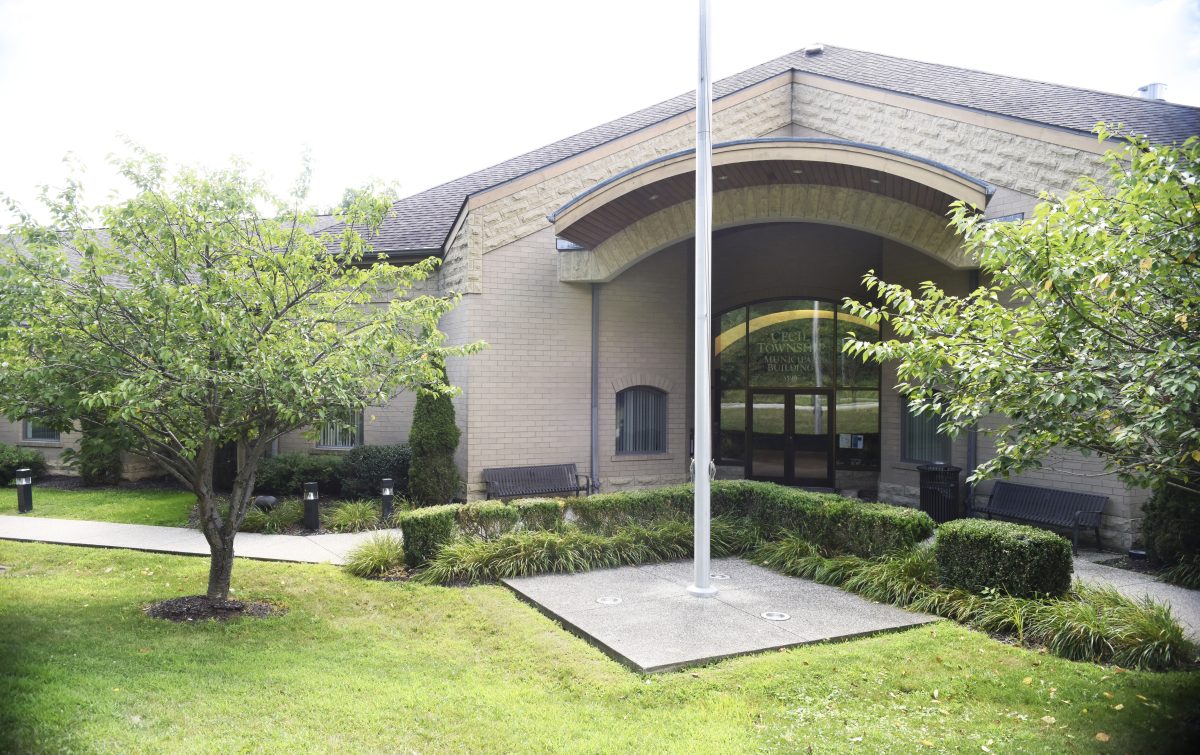
The Cecil Township Board of Supervisors adopted its 2027 preliminary budget without a tax increase, keeping estimated expenditures in-line with 2026 spending. The board approved the budget early last week, which projects $14,710,132 in total revenue to cover $14,710,132 in estimated expenses. Township property taxes were left unchanged at 1.5 mills per $100,000 of assessed value. According to Supervisor Cindy Fisher, the board usually opts for a “fiscally conservative” approach heading into budget season as to not put undue stress on township taxpayers. This year, the board asked department heads to “hold the line” on spending requests to stay in-line with what was allocated under the 2026 budget, she said. Cecil Township underspent its 2026 estimated expenses of about $15 million by around $1.2 million, which means it will carry a substantial fund balance heading into the new year. “I’m very proud of the fact that we don’t overspend,” she said.
This excerpt comes from the named source. Read the original for the full reporting.
Read the original at Observer-Reporter

