Local
Celebrity Perfume and Beauty Lines: Who Actually Owns the Formula
Meet in Common connects news with real conversations. Use ThinkMatch to arrange a Roundtable and meet people to discuss this story.
Source: News 7 Channel
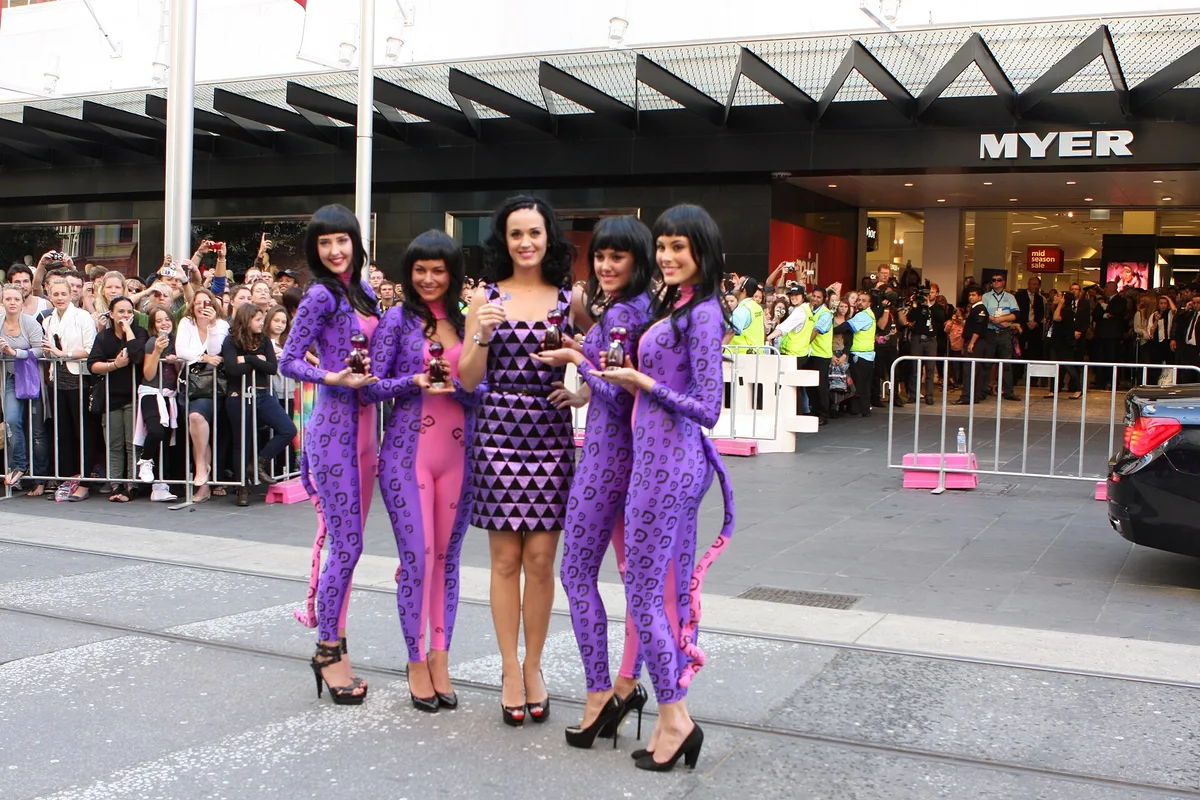
Most celebrity fragrance and beauty lines rest on contracts, not on mixing benches. The star supplies a name, an image and a marketing story. A licensed company develops the products and runs the business. Coty reported that products making up 37 percent of its fiscal 2026 sales were sold under exclusive license agreements, per its Form 10-K. The structure explains who holds what. Coty's filing describes a roster of brands, some owned and some licensed, and says the company works with licensors to promote brand image on the licensed side. The takeaway for a shopper is simple: a line with a famous name often has a corporate maker behind it. How stars talk to reporters about such deals is its own question, examined in the ethics of the celebrity access interview. Ownership facts sit in public documents. LVMH places Fenty Beauty by Rihanna inside its Perfumes and Cosmetics division.
This excerpt comes from the named source. Read the original for the full reporting.
Read the original at News 7 Channel