Local
Center for Human Services offers free dress boutique for Night to Shine guests
A Roundtable is a way to meet new people and discuss this article in person at a local coffee shop or other venue.
Roundtables are designed for groups of four, with a shared subject and room for everyone to speak. Come for discussion, with no dating expectation.
Source: Sedalia Democrat
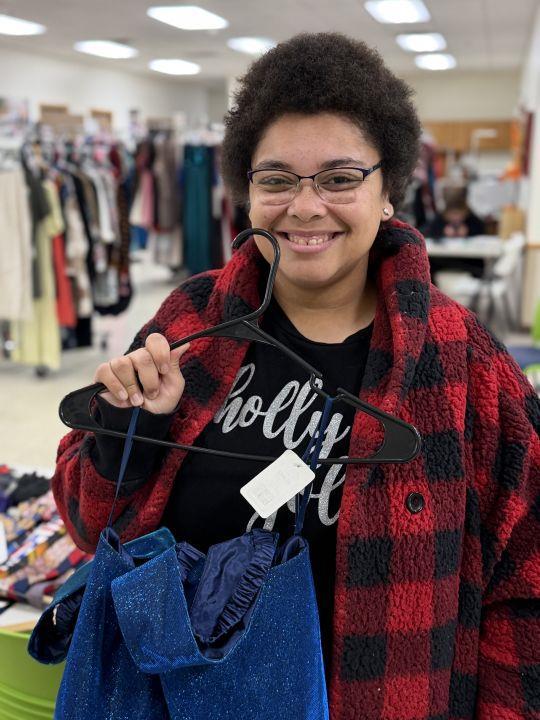
Adults with disabilities preparing for a special evening at this year’s Night to Shine celebration had an opportunity to find the perfect outfit, thanks to a free dress boutique hosted by the Center for Human Services on Saturday, Nov. 21. The boutique, held at the Garlich Center in Sedalia, featured dresses and suits donated by community members, giving participants the chance to select an outfit for the Feb. 12 event hosted by First United Methodist Church. “This is a free dress boutique for our adults with disabilities, and an opportunity for them to look beautiful for the Night to Shine,” said Chanisty Lambert, community outreach coordinator for the Center for Human Services. Night to Shine is a nationwide prom experience for people with disabilities, initially started by former NFL quarterback Tim Tebow. The local celebration pairs guests with volunteer buddies from the community for an evening of dinner, crafts, karaoke, dancing, limousine rides and other activities.
This excerpt comes from the named source. Read the original for the full reporting.
Read the original at Sedalia Democrat


