Local
Chicago man cleared in Gregory Bovino murder plot fights deportation to stay with family
A Roundtable is a way to meet new people and discuss this article in person at a local coffee shop or other venue.
Roundtables are designed for groups of four, with a shared subject and room for everyone to speak. Come for discussion, with no dating expectation.
Source: Chicago Sun-Times
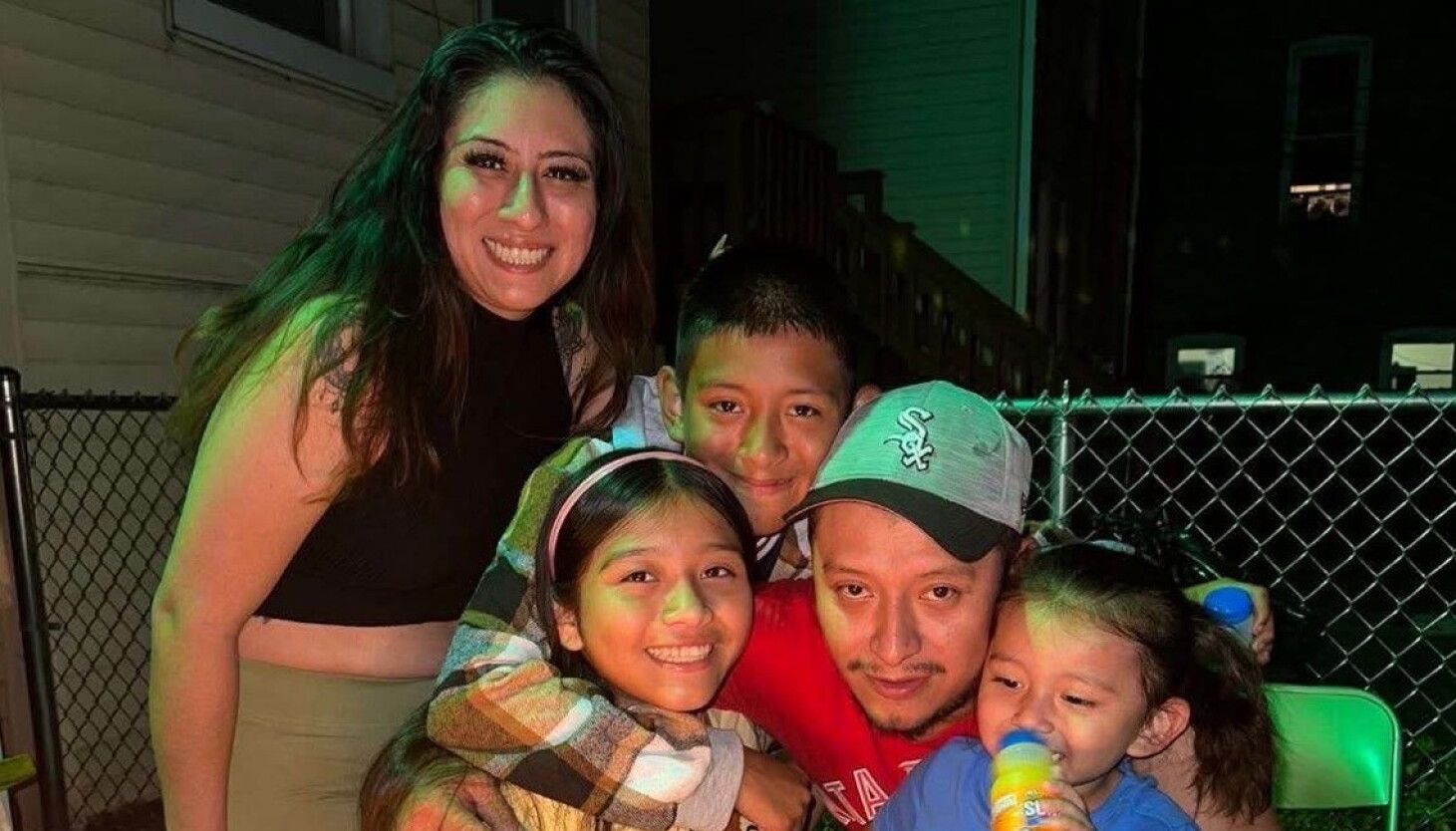
Ten months have passed since Juan Espinoza Martinez heard the words “not guilty” — but he’s still not a free man. Immigration authorities have held the Little Village resident in custody since he was acquitted of plotting the murder of then-U.S. Border Patrol Cmdr. Gregory Bovino, the controversial face of the Trump administration’s audacious Midway Blitz deportation campaign in the Chicago area. In a call arranged by his legal team this week, Espinoza Martinez said he’d rather sit behind bars than be deported — without his loved ones — to a country he doesn’t remember. “I’m not abandoning my family,” Espinoza Martinez told the Chicago Sun-Times. “I’m going to try as hard as I can. I’m going to hold on, incarcerated, because I’m not giving up.” His fight for freedom has now stretched more than a year, starting when federal authorities accused him of soliciting Bovino’s murder.
This excerpt comes from the named source. Read the original for the full reporting.
Read the original at Chicago Sun-Times