Local
Chicago’s Japanese garden has a long history that almost disappeared
A Roundtable is a way to meet new people and discuss this article in person at a local coffee shop or other venue.
Roundtables are designed for groups of four, with a shared subject and room for everyone to speak. Come for discussion, with no dating expectation.
Source: Chicago Sun-Times
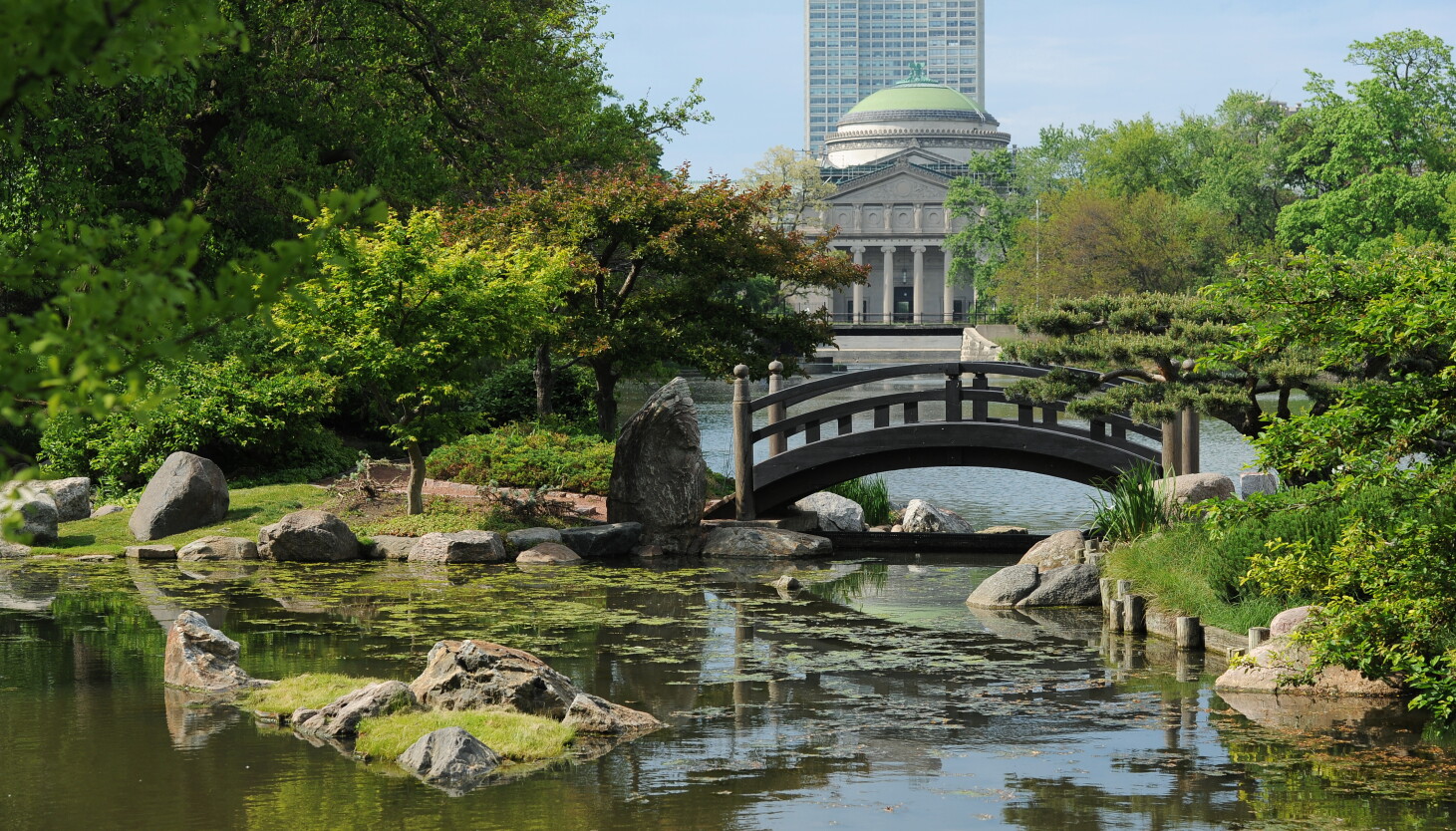
This summer, after visiting the Obama Presidential Center in Jackson Park, I walked over to the Osaka Garden across the street. It was my first time seeing the tranquil garden and its manicured paths, small wooden bridge and fish pond. I had learned about it last year after writing a column about the 80th anniversary of the nuclear bombings in Japan. One Curious City listener wanted to know if the garden was around during the 1893 World’s Fair. It turns out its origins do date back to the Columbian Exposition, and the garden has lived several lives. It was burned down after World War II due to anti-Japanese hostility. It nearly disappeared as weeds and brush took over the unkempt land. But in recent decades, it was revived. Today, people like me are discovering the garden for the first time as they visit the Obama Center. I wanted to find out more about how the Osaka Garden found new life. I uncovered a bigger, richer story than expected.
This excerpt comes from the named source. Read the original for the full reporting.
Read the original at Chicago Sun-Times