Local
Chicago's TIF program to help blighted neighborhoods has fallen short on the West Side
A Roundtable is a way to meet new people and discuss this article in person at a local coffee shop or other venue.
Roundtables are designed for groups of four, with a shared subject and room for everyone to speak. Come for discussion, with no dating expectation.
Source: Chicago Sun-Times
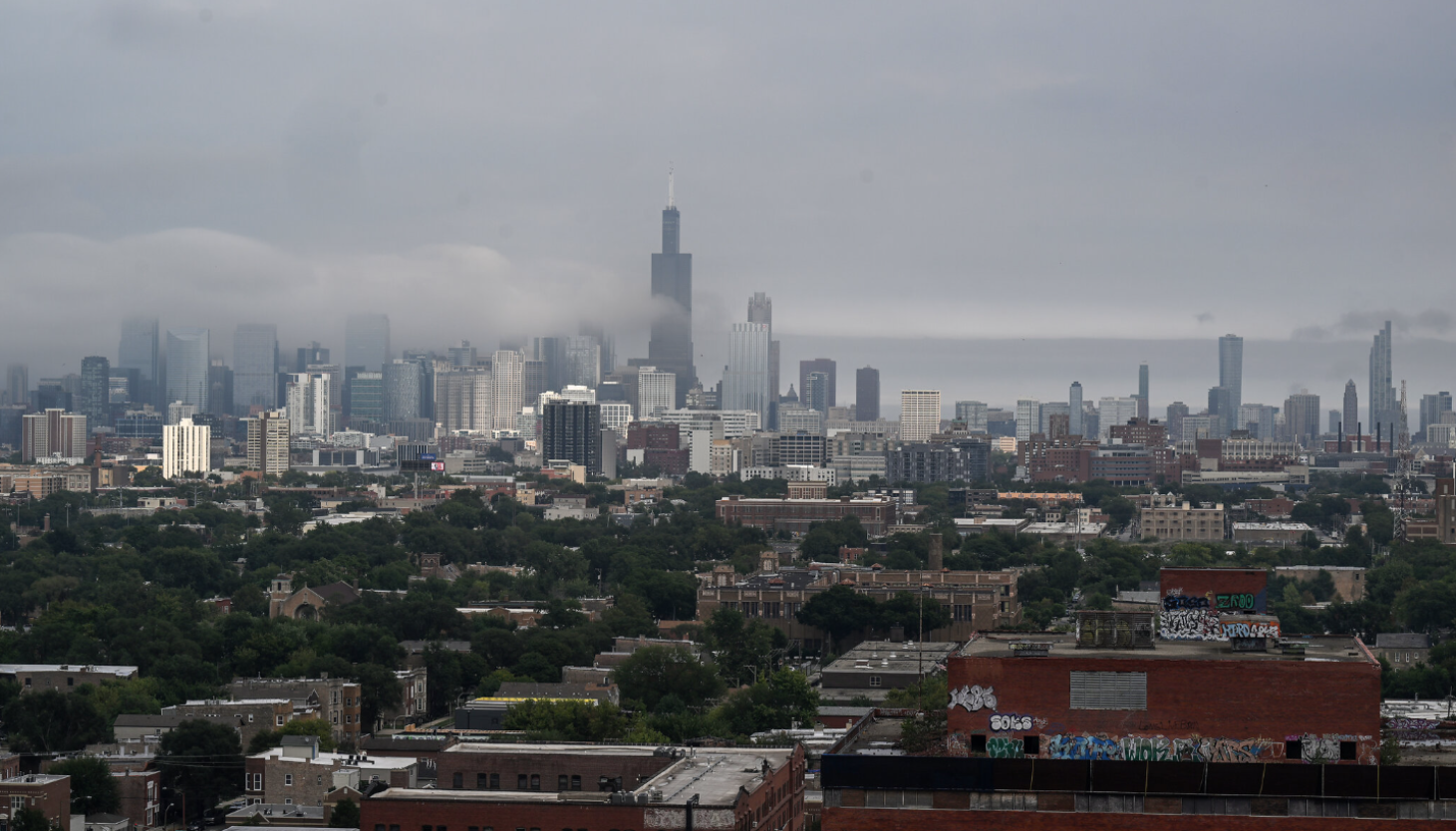
Sears, Roebuck and Co. once employed thousands of workers at a 40-acre plant on the West Side where it produced the thick mail-order catalogs sent to homes across America. Today, the former Sears facility looms over vacant lots and boarded-up churches, the hollowed-out skyline of a neighborhood that has been waiting for a comeback promised long ago by city officials. About five miles east, in Downtown Chicago, a city tax-diversion program intended to revitalize blighted neighborhoods has helped stimulate employment and fund the development of gleaming skyscrapers, luxury housing and parks. But on the West Side, where decades of underinvestment and rising costs have contributed to entrenched poverty, it has largely failed, The New York Times has found. That's in part because of shifting political priorities and fractured oversight by city agencies of the tax-increment financing program, or TIF.
This excerpt comes from the named source. Read the original for the full reporting.
Read the original at Chicago Sun-Times