Local
Cinco pequeñas nutrias comienzan a descubrir el mundo
A Roundtable is a way to meet new people and discuss this article in person at a local coffee shop or other venue.
Roundtables are designed for groups of four, with a shared subject and room for everyone to speak. Come for discussion, with no dating expectation.
Source: Qué Pasa
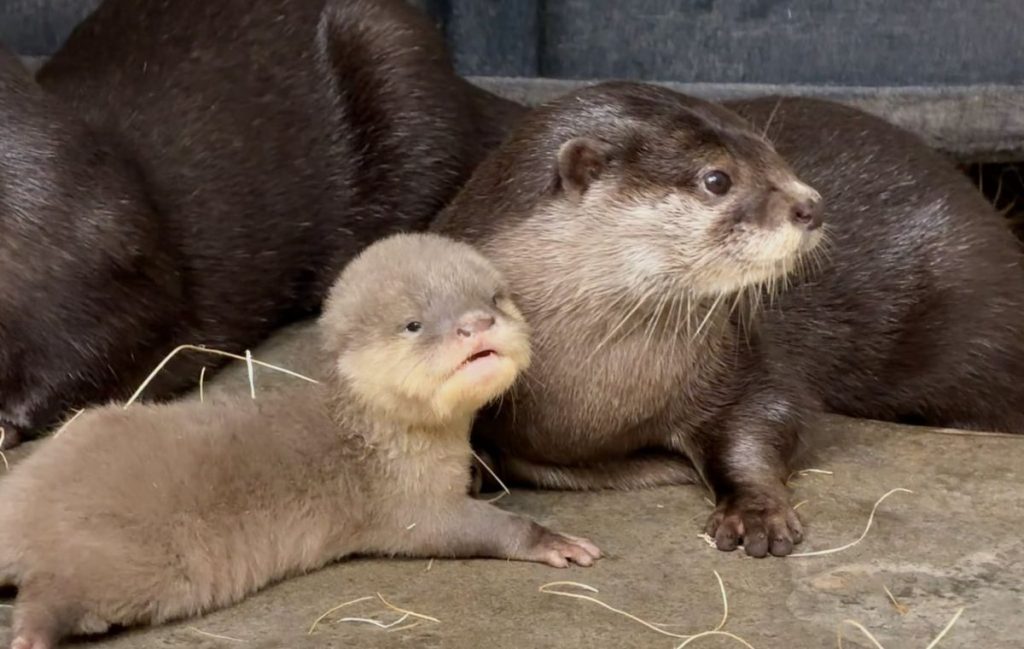
Claudia Alemán Qué Pasa Raleigh.- Hay noticias que simplemente nos hacen sonreír. Y esta es una de ellas: las cinco pequeñas de nutria que nacieron en octubre en el NC Aquarium at Fort Fisher comienzan a abrir sus ojitos y a descubrir, poco a poco, el mundo que los rodea. El acuario compartió nuevas fotografías de los pequeños, que muestran cómo avanzan en esta etapa de crecimiento. Uno de ellos ya aparece sentado junto a mamá y papá, mientras otro parece estar descubriendo las cosas de a poquito, con un ojo abierto y el otro todavía en proceso. Y, por supuesto, también está la imagen de los cinco acurrucados en una adorable pila de pelitos. Los bebés nacieron el 19 de octubre y son cuatro machos y una hembra. Sus padres, Milli y Binx, ya tenían otros tres hijos: Nyx, Bohdi y Baloo, nacidos en diciembre del año pasado. Con esta nueva camada, la familia llegó a diez integrantes.
This excerpt comes from the named source. Read the original for the full reporting.
Read the original at Qué Pasa


