Local
City of Marquette signs proclamation condemning gender-based violence
A Roundtable is a way to meet new people and discuss this article in person at a local coffee shop or other venue.
Roundtables are designed for groups of four, with a shared subject and room for everyone to speak. Come for discussion, with no dating expectation.
Source: The Mining Journal
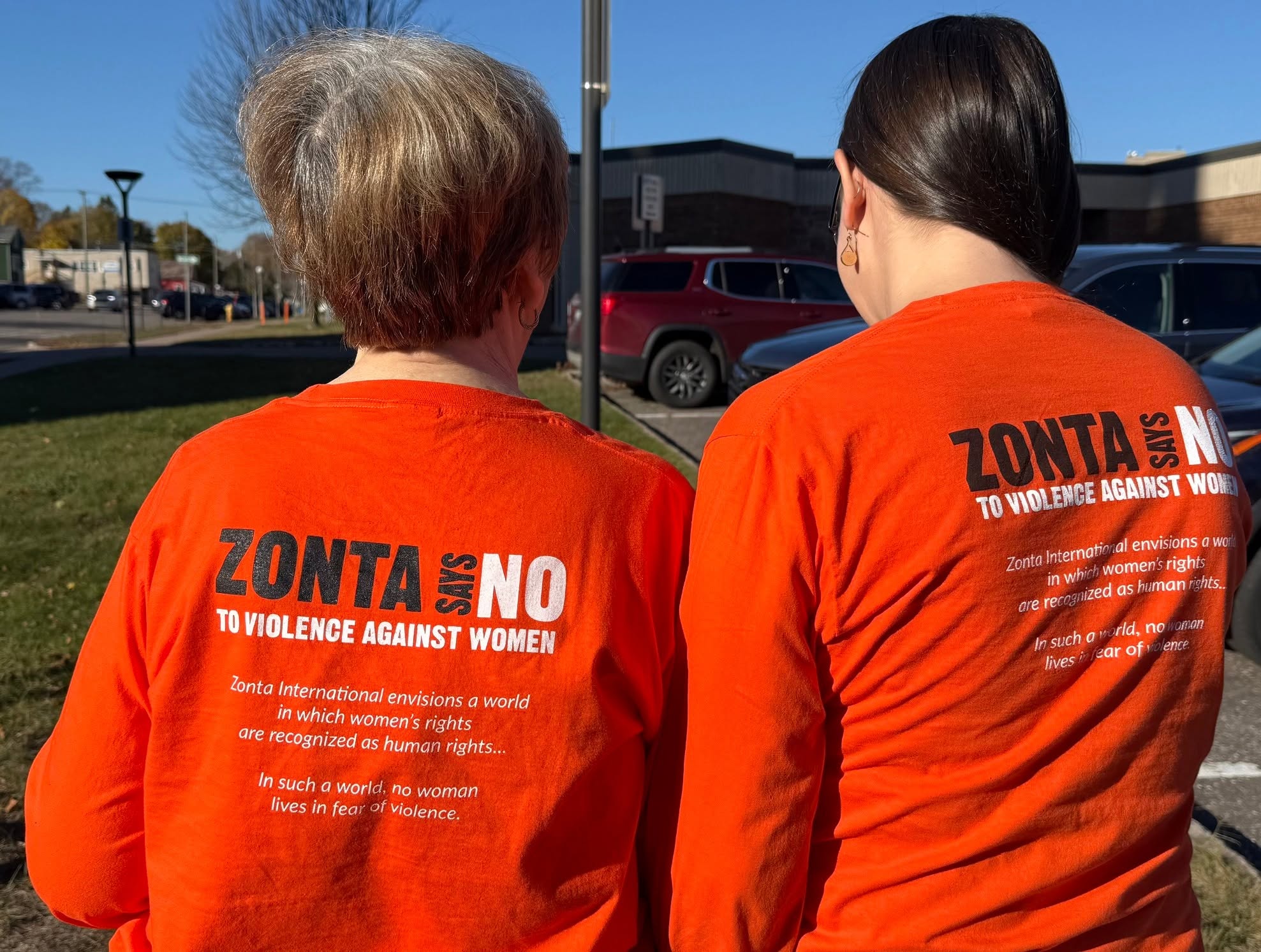
MARQUETTE — This week, Marquette Mayor Paul Schloegel signed a proclamation on behalf of the City of Marquette condemning gender-based violence, in recognition of the 16 Days of Activism Against Gender-Based Violence. “We are grateful to the city of Marquette for recognizing the importance of this global campaign and for helping raise awareness of the need to end violence against women and girls,” read a Facebook post by the Zonta Club of the Marquette Area. “The 2026 theme, ‘UNiTE to End Violence Against Women and Girls: Ensure Justice, Protect Survivors, End Impunity,” reminds us that creating a safer world requires all of us to speak out, take action, support survivors and hold perpetrators accountable.” Members of the Zonta Club joined Schloegel for photos to commemorate the occasion, wearing orange to represent hope and a future free from violence.
This excerpt comes from the named source. Read the original for the full reporting.
Read the original at The Mining Journal


