Local
CLC welcomes acclaimed poet Cornelius Eady for Verse Like Water event
Meet in Common connects news with real conversations. Use ThinkMatch to arrange a Roundtable and meet people to discuss this story.
Source: Brainerd Dispatch
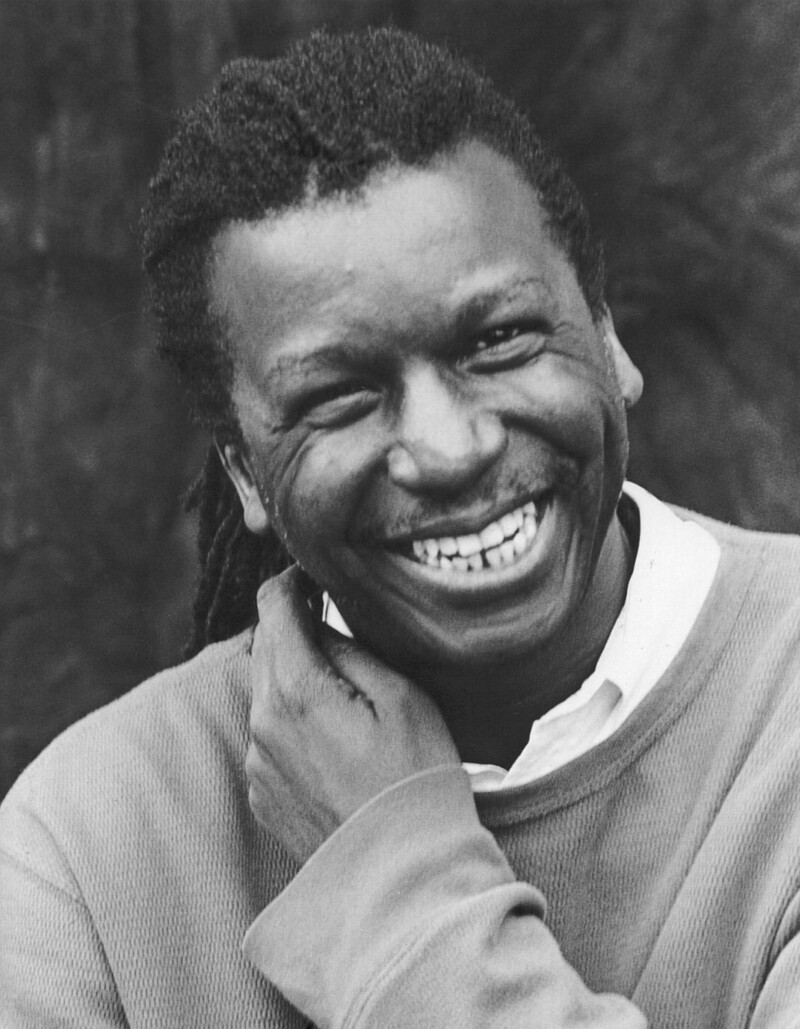
BRAINERD — Central Lakes College will welcome internationally acclaimed poet, educator, musician, and activist Dr. Cornelius Eady for a special Verse Like Water event at noon on Wednesday, Nov. 18, in the Chalberg Theatre on the Brainerd campus. The event, which is free and open to the public, will feature a poetry reading and concert by Eady and the Cornelius Eady Trio, followed by a book signing and craft talk. Eady is one of the nation's most respected literary voices. A celebrated poet, teacher, activist, and musician, he has spent decades shaping contemporary American poetry while mentoring emerging writers. Since 1996, he has led Cave Canem, a non-profit organization dedicated to supporting and cultivating Black voices in American literature. His distinguished career includes numerous literary honors, university appointments, and leadership roles.
This excerpt comes from the named source. Read the original for the full reporting.
Read the original at Brainerd Dispatch


