Local
Clematis blooming late in season a delightful surprise
A Roundtable is a way to meet new people and discuss this article in person at a local coffee shop or other venue.
Roundtables are designed for groups of four, with a shared subject and room for everyone to speak. Come for discussion, with no dating expectation.
Source: Post-Bulletin
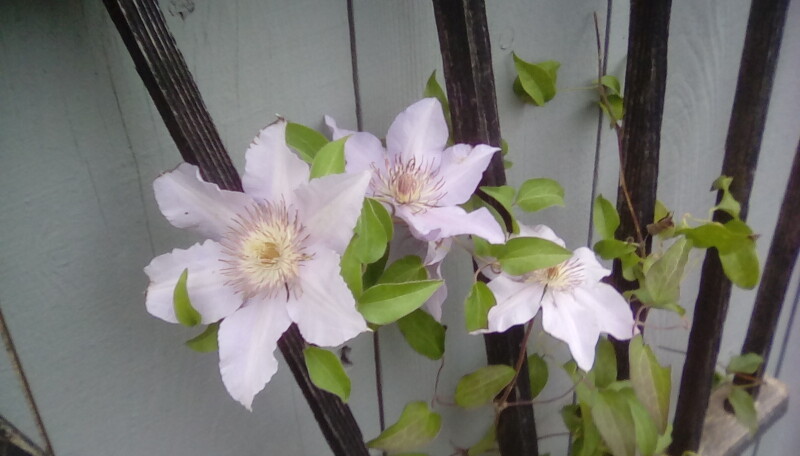
Q: I’ve never had a clematis that was still blooming in mid-October, and here’s a photo. It’s been a funny year for everything, including flowers and vegetables. – Larry K. A: Thanks for sending the photo. Most gardeners will agree that it was a nice long autumn, which was a dream-come-true for getting yard and garden tasks accomplished. Clematis vines have their greatest flush of bloom in mid-summer from late June through July. They’ll often have a secondary, scattered bloom in September. Clematis blooming in mid-October, as yours has done, Larry, is unusual. The vines are usually going into dormancy by then, rather than producing flowers. Clematis vines of this type bloom on the current season’s growth, termed “new wood,” so when the growing season is long enough to continue producing new vine growth, there’s the potential for more bloom. The pretty clematis flowers are certainly an indication of this year’s long growing season. Thanks for sharing.
This excerpt comes from the named source. Read the original for the full reporting.
Read the original at Post-Bulletin


