Local
Climate crisis and health: why El Niño threatens the world with epidemics, hunger, and extreme mortality
A Roundtable is a way to meet new people and discuss this article in person at a local coffee shop or other venue.
Roundtables are designed for groups of four, with a shared subject and room for everyone to speak. Come for discussion, with no dating expectation.
Source: Meteored United States
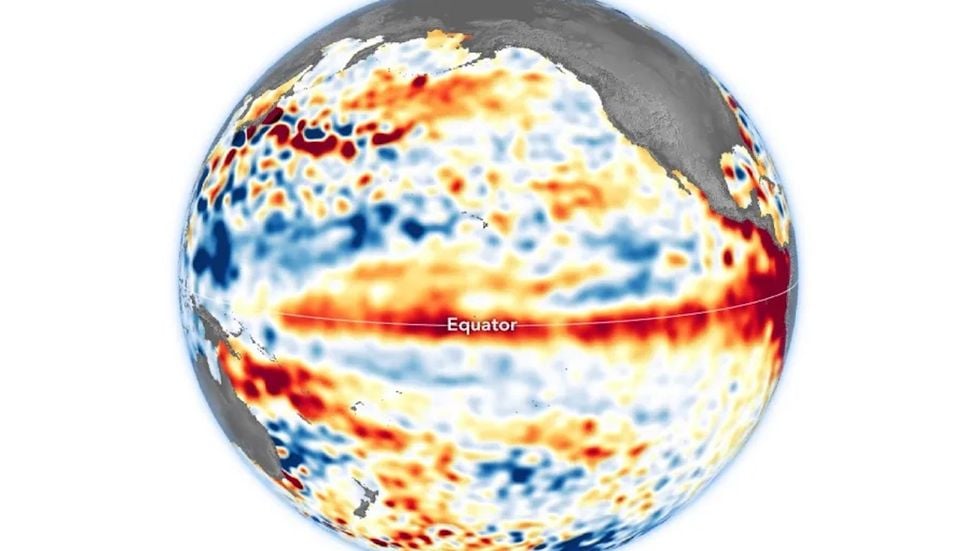
Growing evidence highlights the risks of extreme heat to maternal and neonatal health, mental and kidney health, and chronic noncommunicable diseases such as asthma and diabetes. The World Health Organization (WHO) has activated a Grade 3 health emergency in response to the 2026–2027 El Niño event, which it considers a risk multiplier that exacerbates epidemic crises, malnutrition, and mortality associated with extreme heat worldwide. The climate event increases the spread of vector-borne diseases and waterborne infections while also threatening food security and the stability of healthcare services. El Niño is a natural climate phenomenon that raises temperatures and alters rainfall patterns, making some parts of the world drier and others wetter. The 2026–2027 El Niño is the strongest on record, according to warnings issued by the WHO itself.
This excerpt comes from the named source. Read the original for the full reporting.
Read the original at Meteored United States