Local
Closing the Gap Between the Courtroom and Refugee Camps: A Pathway Towards the Rohingya’s Legal Inclusion
A Roundtable is a way to meet new people and discuss this article in person at a local coffee shop or other venue.
Roundtables are designed for groups of four, with a shared subject and room for everyone to speak. Come for discussion, with no dating expectation.
Source: Just Security
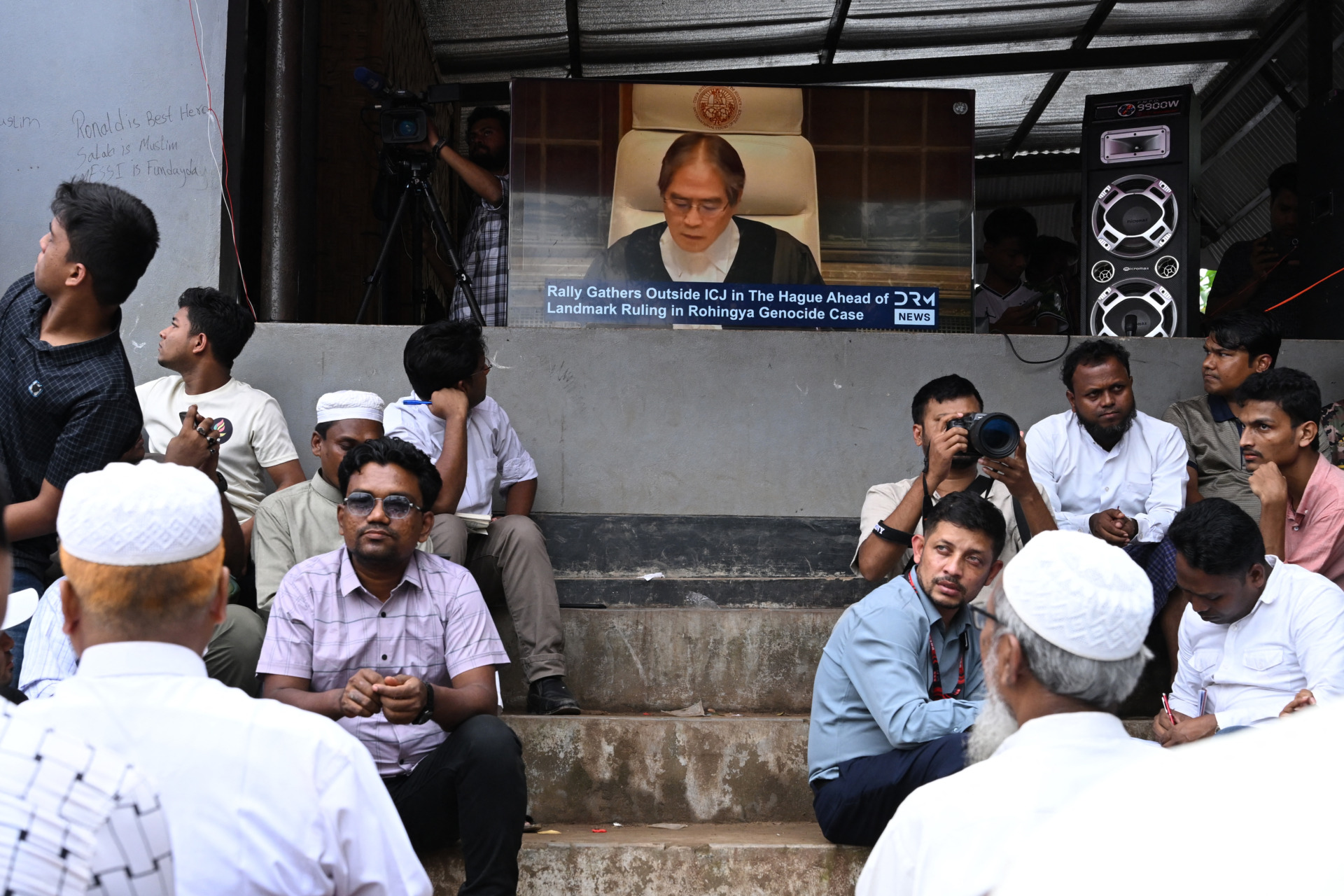
On Nov. 19, the International Court of Justice (ICJ) delivered a landmark decision finding Myanmar responsible for committing genocide against the Rohingya. Nearly a decade after the Myanmar military’s campaign drove hundreds of thousands of Rohingya from their homes, the United Nations’ principal judicial organ has formally recognized these atrocities as genocide. For a community that has spent generations seeking recognition and accountability, the Court’s final, unappealable judgment marks the culmination of seven years of litigation. Five thousand miles away, in Bangladesh’s crowded refugee camps, news of the judgment was met with cheers. But for the Rohingya community members at the heart of the case, a core question remains: what does this decision mean for their future? The judgment establishes Myanmar’s responsibility under international law, but realizing the remedies it orders will require years of legal and political work.
This excerpt comes from the named source. Read the original for the full reporting.
Read the original at Just Security