Local
Club Bureaucracy
A Roundtable is a way to meet new people and discuss this article in person at a local coffee shop or other venue.
Roundtables are designed for groups of four, with a shared subject and room for everyone to speak. Come for discussion, with no dating expectation.
Source: The Brandeis Hoot
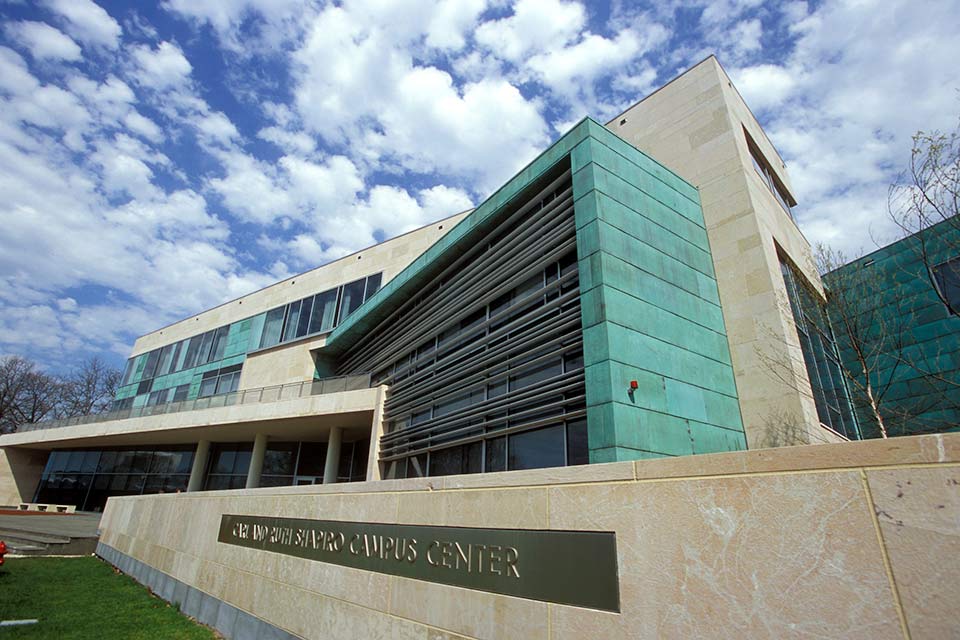
Running a club on campus requires navigating a complex system of bureaucratic red tape put in place by the Department of Student Engagement (DSE). Every aspect of club operations requires several often redundant forms, from spending money to hosting an event to even just existing as a registered organization. We at The Hoot question the need for such endless bureaucracy to operate even the most basic clubs on campus. At the end of every school year, clubs need to fill out a club reregistration form to continue operating. If a club misses the deadline, they will be suspended for the upcoming semester. If they miss reregistration for a second semester, they will be dechartered. It is understandable for the DSE to want accurate information about which clubs are still operational and which ones are not. However, the current reregistration process is far more time-consuming than necessary. One club leader fills out a form listing every club officer for the upcoming semester.
This excerpt comes from the named source. Read the original for the full reporting.
Read the original at The Brandeis Hoot