Local
Club learns about high-society mother, daughter
A Roundtable is a way to meet new people and discuss this article in person at a local coffee shop or other venue.
Roundtables are designed for groups of four, with a shared subject and room for everyone to speak. Come for discussion, with no dating expectation.
Source: Observer
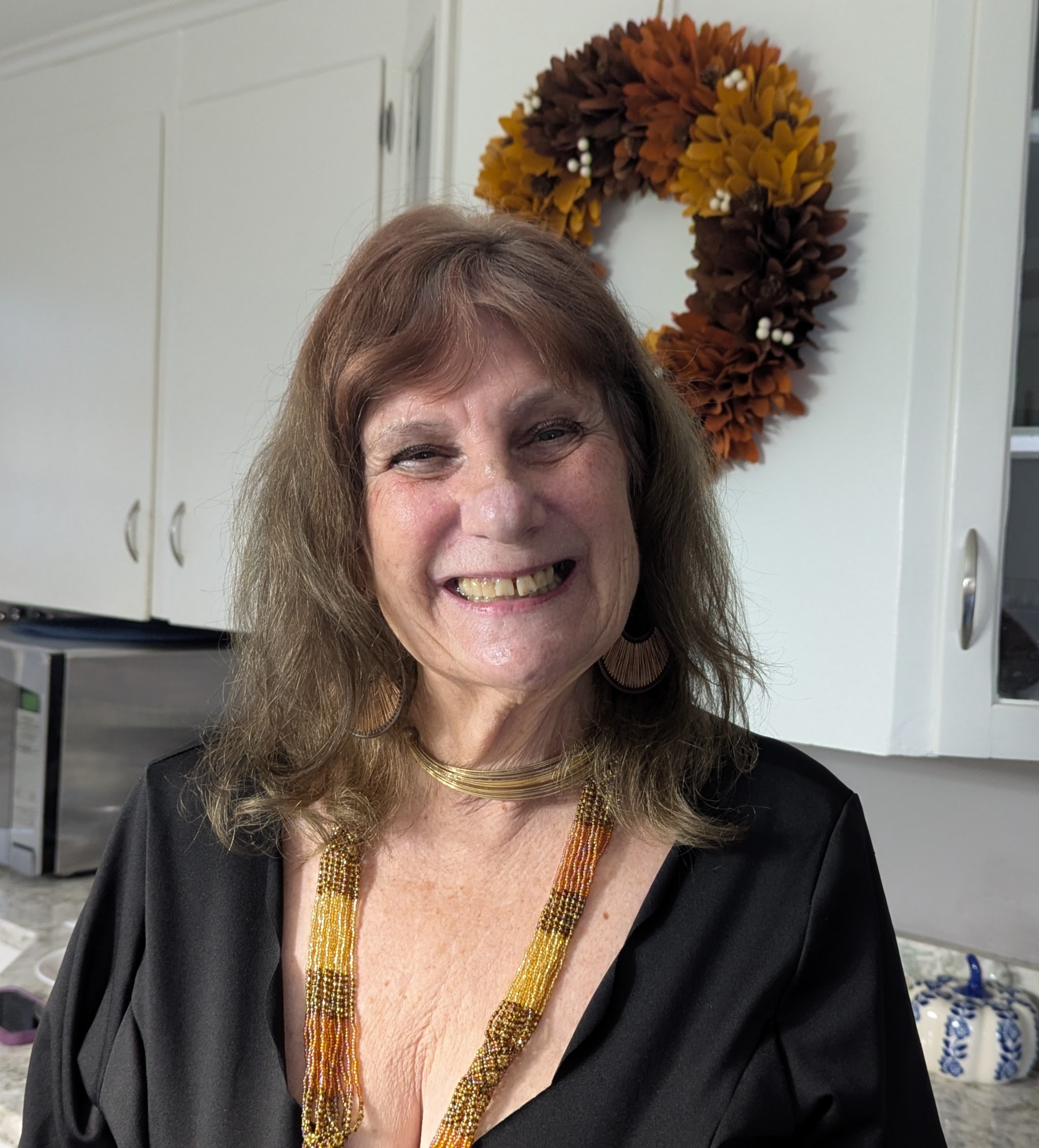
The Fredonia Shakespeare Club met at the home of Ms. Nicki Schoenl to hear Ms. Judi Lutz Woods speak on notable New Yorker Alva Vanderbilt Belmont and her daughter Consuelo. Alva Erskine Smith Vanderbilt Belmont (1853–1933) rose from a southern family impoverished by the Civil War to become one of the most commanding and influential figures of New York high society during the Gilded Age. Iron-willed, fiercely intelligent, and relentlessly ambitious, she consistently defied societal conventions and male privilege. In 1875, Alva married William Kissam Vanderbilt, grandson of Commodore Cornelius Vanderbilt. Armed with immense wealth, she partnered with architect Richard Morris Hunt to construct lavish Beaux-Arts masterpieces, including Manhattan’s “Petit Château” and Newport’s Marble House. When established “old money” elites, led by Mrs. Caroline Astor, snubbed the “nouveau riche” Vanderbilts, Alva retaliated by orchestrating a legendary $250,000 masquerade ball that forced Mrs.
This excerpt comes from the named source. Read the original for the full reporting.
Read the original at Observer


