Local
Colonial Ties Affect Second Citizenship Opportunities
A Roundtable is a way to meet new people and discuss this article in person at a local coffee shop or other venue.
Roundtables are designed for groups of four, with a shared subject and room for everyone to speak. Come for discussion, with no dating expectation.
Source: Tidewater News
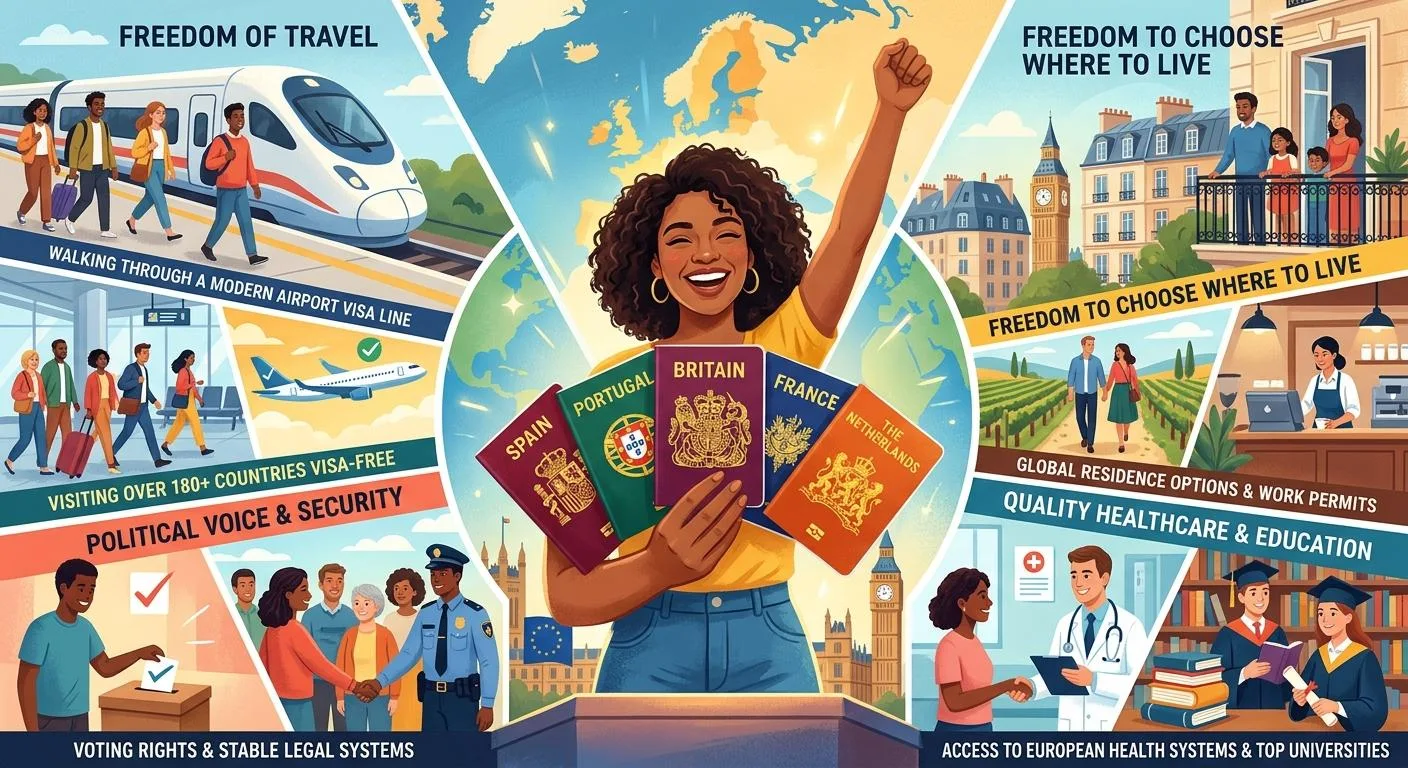
Former imperial relationships still influence nationality and immigration policies, although historical connections do not automatically create a right to citizenship, residence, or a new passport. WASHINGTON, DC, November 23, 2026: Families exploring second citizenship in 2026 face nationality rules shaped by former empires, independence agreements, and centuries of migration, yet ancestral links to a colonial power rarely create an unconditional entitlement to its passport. Spain, Portugal, Britain, France and the Netherlands demonstrate markedly different approaches, with some laws shortening naturalization periods, others protecting historical nationality categories and still others requiring applicants to reconstruct their ancestors’ status at independence.
This excerpt comes from the named source. Read the original for the full reporting.
Read the original at Tidewater News