Local
Color psychology on screen: how production designers use hue to signal character and mood
Meet in Common connects news with real conversations. Use ThinkMatch to arrange a Roundtable and meet people to discuss this story.
Source: Regd News
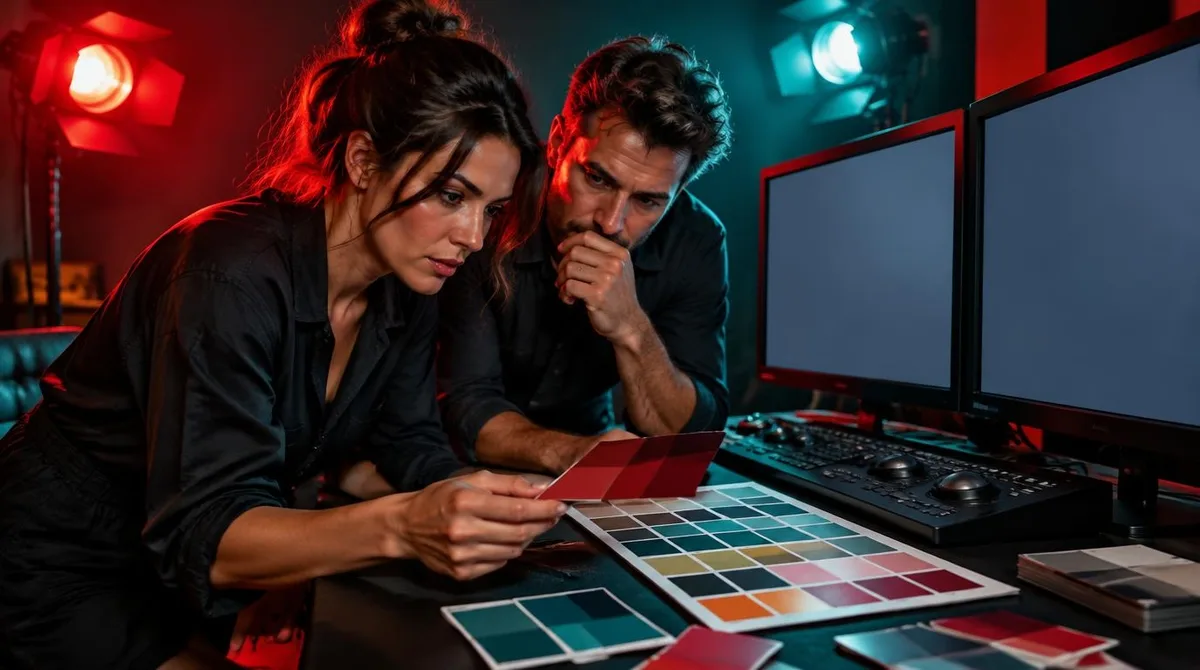
Color in film production is a language. Production designers, cinematographers and colorists choose hues the way writers choose words, and they do it early, often before a single set is built. A palette can tell you who holds power in a scene, when a character is changing, or that something is about to go wrong, all before anyone speaks. The reason this works is not magic. It is perception. According to Wikipedia's entry on color, color is not a property of objects at all; it is a visual perception created when light of different wavelengths activates cone cells in the eye, and different colors have long been associated with emotions and activity across cultures. Filmmakers work with that association deliberately. They cannot control what a viewer feels, but they can control what a viewer sees, and seeing comes first. This guide explains how that visual language works, who builds it, and why certain palettes keep showing up in the shows and films that trend on your feed.
This excerpt comes from the named source. Read the original for the full reporting.
Read the original at Regd News