Local
Colorado publishes 30-year vision for forest health, outlining plans to create a ‘culture shift’ and increase wildfire mitigation
A Roundtable is a way to meet new people and discuss this article in person at a local coffee shop or other venue.
Roundtables are designed for groups of four, with a shared subject and room for everyone to speak. Come for discussion, with no dating expectation.
Source: Eagle Valley Enterprise
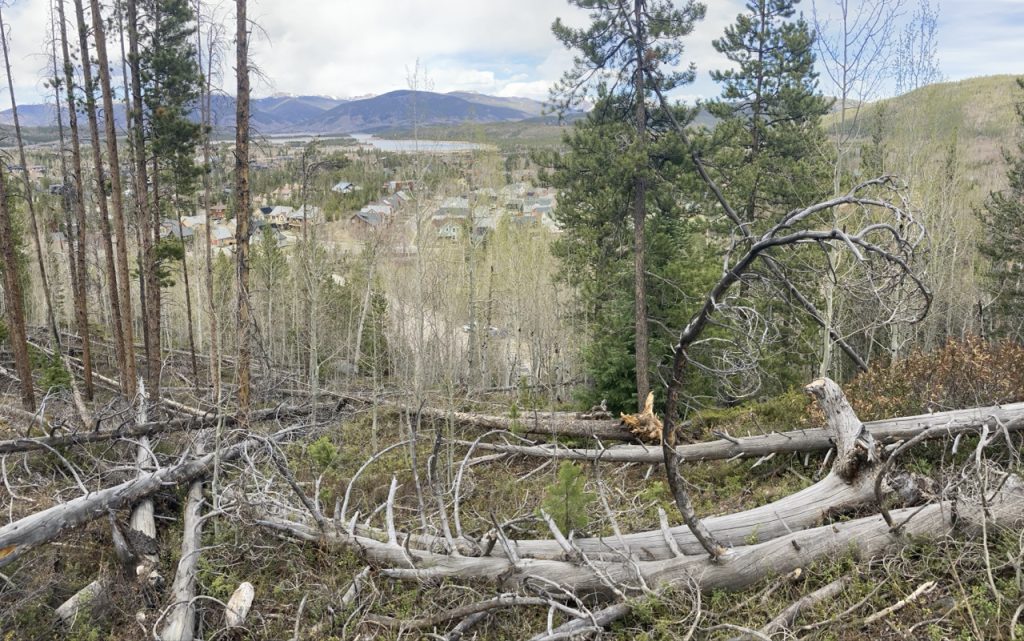
The Colorado Department of Natural Resources has announced a plan that will help guide how the state manages its forests through 2055. The “30-year Vision for Forest Health” report was developed by the Colorado Forest Health Council, a statewide advisory board. The Department of Natural Resources announced the publication of the report in a news release on Tuesday. The Colorado Forest Health Council is a 26-member board made up of individuals appointed by the governor. Reestablished in 2021, it advises the governor and Colorado lawmakers on forest health, wildfire mitigation and other land management issues. “With increased and year-round statewide wildfire risk, persistent drought, and insect and disease outbreaks, we need to act in partnership and shared stewardship to protect and enhance our forests,” said Dan Gibbs, executive director of the Department of Natural Resources and chair of the Colorado Forest Health Council, in a statement.
This excerpt comes from the named source. Read the original for the full reporting.
Read the original at Eagle Valley Enterprise