Local
Column | Carpe Wine: Beaujolais Nouveau Day
A Roundtable is a way to meet new people and discuss this article in person at a local coffee shop or other venue.
Roundtables are designed for groups of four, with a shared subject and room for everyone to speak. Come for discussion, with no dating expectation.
Source: Eagle Valley Enterprise
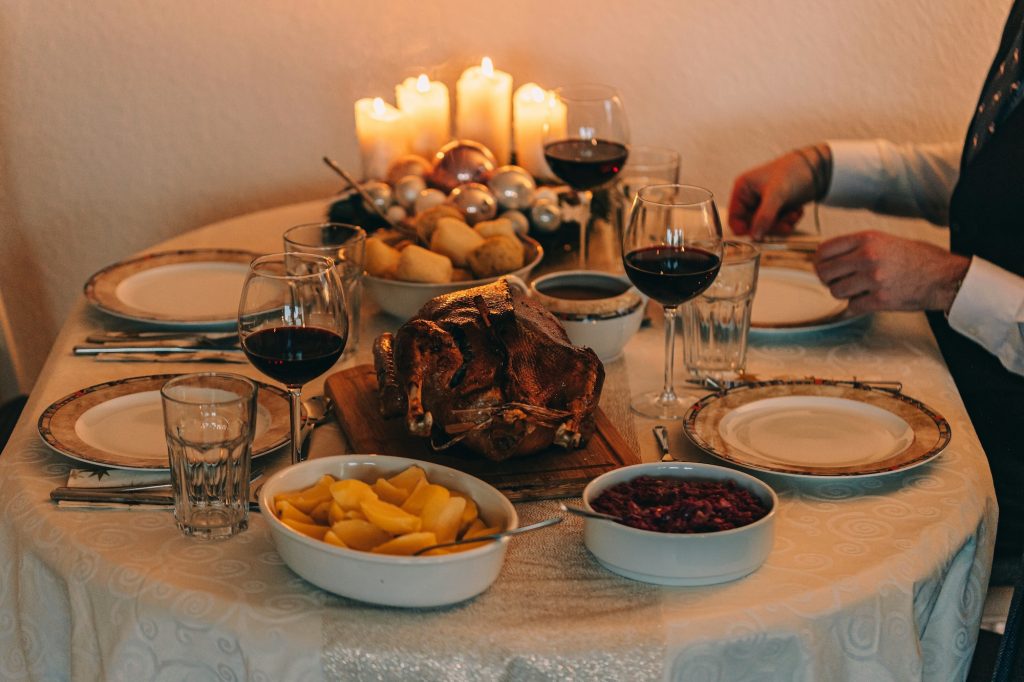
Are you ready for this Thursday? It’s the third Thursday in November, better known in the wine world as Beaujolais Nouveau Day. It’s a thing, and it comes with plenty of historical and marketing drama to add color to your Thanksgiving wine list. What is Beaujolais Nouveau? The short answer, a red wine from the Beaujolais region of France, made from the Gamay grape and crafted to be fresh, fruity and ready to drink right away. The name “nouveau” implies it’s a young wine, so young that it’s bottled about two months after the crush. It’s released strictly on the third Thursday in November. Not one bottle can be sold before then and in Beaujolais the occasion is celebrated with fireworks and festivals. It can’t be sold after Aug. 31 of the following year, and it’s meant to be enjoyed as soon as possible. This is not a wine to age. If you see a past vintage on the bottle, skip it. Nouveau is meant to be sipped young, and an older bottle isn’t worth the risk.
This excerpt comes from the named source. Read the original for the full reporting.
Read the original at Eagle Valley Enterprise