Local
COLUMN: Look Out Every Window
A Roundtable is a way to meet new people and discuss this article in person at a local coffee shop or other venue.
Roundtables are designed for groups of four, with a shared subject and room for everyone to speak. Come for discussion, with no dating expectation.
Source: Cache Valley Daily
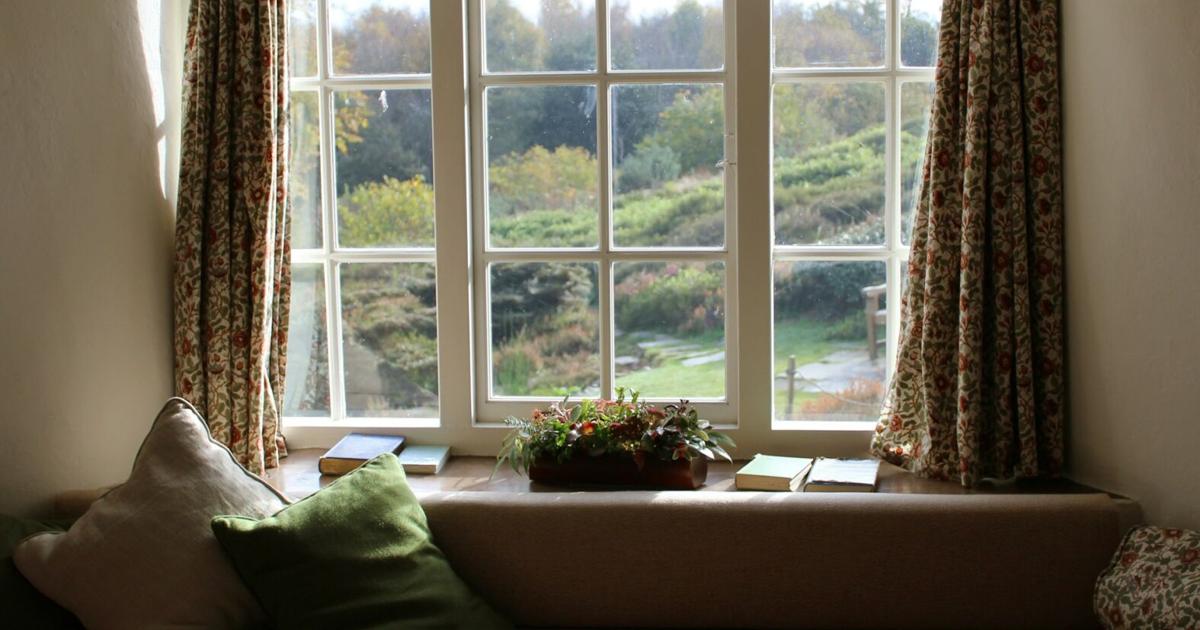
Photo by Rob Wingate on Unsplash I just finished one of my favorite suppers tonight of fried Spam and potatoes, then sat down to open my laptop and put these thoughts down on the screen before they escaped my tired mind. As I compose obvious run-on sentences, I am listening to Bruce Hornsby’s song, “Look Out Every Window." He is one of my favorite artists with talents I greatly admire and wish I possessed. I would sell my first born child to the devil to have Bruce’s abilities at the piano. His composition skills are out of this world. (Don’t panic Derek…I am kidding…maybe).I am using his song as a segue to what I really want to write about. My idea for a column tonight is about the value of movement…physical movement. It is a common belief in the healthcare world that we have become far too sedentary. We sit far too much in the poor postures of 90 degrees or more hip flexion and shoulders slumped forward.
This excerpt comes from the named source. Read the original for the full reporting.
Read the original at Cache Valley Daily


