Local
Comedy that brings everyone together
A Roundtable is a way to meet new people and discuss this article in person at a local coffee shop or other venue.
Roundtables are designed for groups of four, with a shared subject and room for everyone to speak. Come for discussion, with no dating expectation.
Source: MessageMedia.co
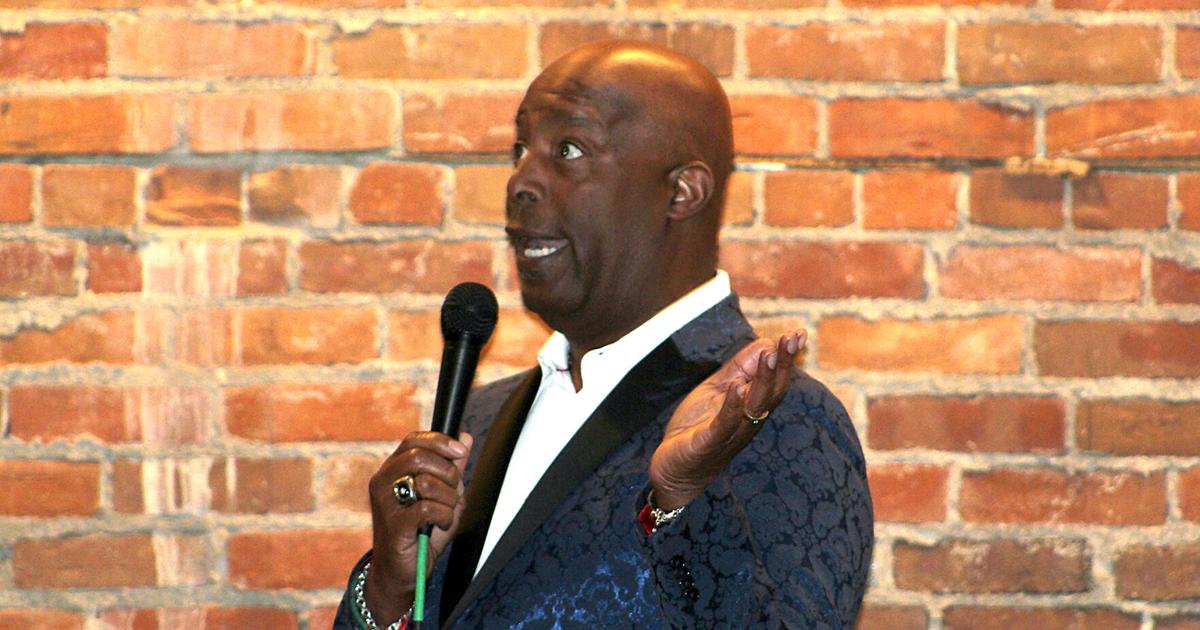
Some of the funniest moments in life are the ones we all recognize. That’s where C. Willi Myles shines.Known as “America’s Everyday Comedian,” Myles turns the familiar ups and downs of everyday life into laugh-out-loud comedy that connects with audiences of all ages and backgrounds. With his quick wit, expressive storytelling and easygoing personality, he finds humor in life’s everyday situations—from growing up in a big family in Alabama to adjusting to Minnesota winters and everything in between.Myles’ comedy is clean, clever and refreshingly relatable. Whether he’s entertaining a corporate audience, bringing a banquet to life or taking the stage at a theater, college or fundraising event, Willi knows how to read a room and keep the laughs coming.The Aitkin County Friends of the Arts will present the return of Myles on Saturday, Nov. 20 at The Underground at The Ripple Center in downtown Aitkin. Doors will open at 6 p.m. and the show will begin at 7 p.m.
This excerpt comes from the named source. Read the original for the full reporting.
Read the original at MessageMedia.co


