Local
Committees make progress on protections, but questions remain over federal control on Crystal River
Meet in Common connects news with real conversations. Use ThinkMatch to arrange a Roundtable and meet people to discuss this story.
Source: Snowmass Village Sun
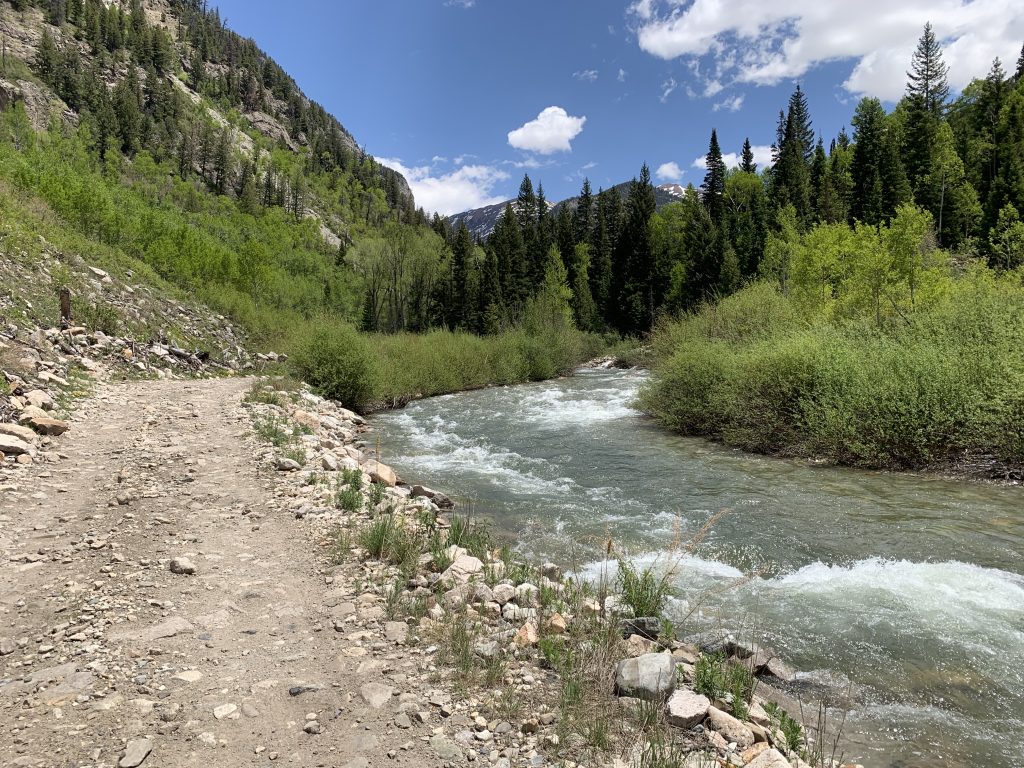
Three years after a committee began exploring ways to protect the Crystal River, one method has been implemented and a second is in process. But a third tool — a federal Wild and Scenic designation — remains contentious with unanswered questions. Members of the Crystal River Wild and Scenic and Other Alternatives Feasibility Steering Committee met in Marble on Nov. 10 and presented progress reports on the three methods and plotted the next steps for protecting one of the last rivers in the state free of dams or trans-basin diversions. In March 2024, after two community summits that drew over 100 people, the group split into three subcommittees, each dedicated to investigating a different strategy for protecting the river: through an intergovernmental agreement; an instream-flow water right and a federal designation under the Wild & Scenic Rivers Act.
This excerpt comes from the named source. Read the original for the full reporting.
Read the original at Snowmass Village Sun

