Local
Concentrated Animal Feeding Operations Environmental Training Set for December in Huron
A Roundtable is a way to meet new people and discuss this article in person at a local coffee shop or other venue.
Roundtables are designed for groups of four, with a shared subject and room for everyone to speak. Come for discussion, with no dating expectation.
Source: mykxlg.com
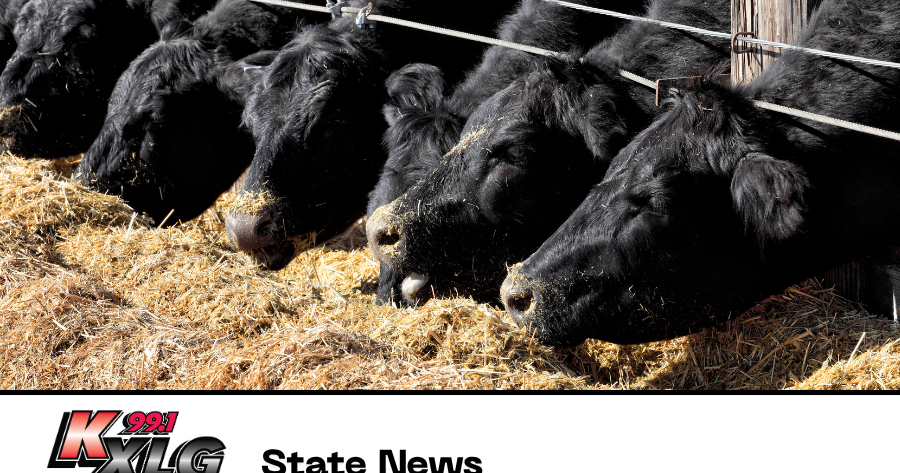
{KXLG - Brookings, SD} There will be an environmental training session for operators of Concentrated Animal Feeding Operations (CAFOs) on December 2, 2026, at the Crossroads Convention Center in Huron. Registration will begin at 8:15 a.m. CST, with the program following at 8:45 a.m. and concluding at approximately 4:45 p.m. Registration is required and is $50, which includes lunch and training materials. To register, visit extension.sdstate.edu/events and search “CAFO”. Specialists from SDSU Extension, the South Dakota Department of Agriculture and Natural Resources, and the Natural Resources Conservation Service are offering the training. “Past attendees of this program have come away with at least one new practice they consider adopting related to land application, livestock feeding, air quality or soil conservation,” said Bob Thaler, Farm Credit Services of America Endowed Chair in Swine Production, Distinguished Professor and SDSU Extension Swine Specialist.
This excerpt comes from the named source. Read the original for the full reporting.
Read the original at mykxlg.com


