Local
Conservation programs in the Colorado River’s Upper Basin inch forward, despite thorny questions
A Roundtable is a way to meet new people and discuss this article in person at a local coffee shop or other venue.
Roundtables are designed for groups of four, with a shared subject and room for everyone to speak. Come for discussion, with no dating expectation.
Source: WyoFile
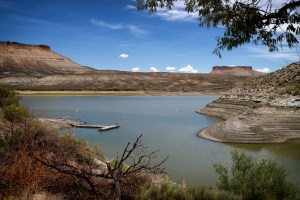
This article originally appeared on Inside Climate News, a nonprofit, non-partisan news organization that covers climate, energy and the environment. Sign up for their newsletter here. New voluntary water conservation programs in the Upper Colorado River Basin appear on track after the 320th meeting of the Upper Colorado River Commission concluded last week. But Colorado, New Mexico, Utah, Wyoming and the federal government have yet to agree on how any conserved water would be credited and stored. These questions, experts say, may not come with easy answers. This June, the federal Bureau of Reclamation put $100 million on the table for the four states in the Upper Basin to fund their own voluntary water conservation programs, which usually entails paying ranchers and farmers to use less water. Overuse and drought-diminished flows on the Colorado River threaten the water supply of roughly 40 million people, 30 tribes, seven states and Mexico.
This excerpt comes from the named source. Read the original for the full reporting.
Read the original at WyoFile