Local
Contract awarded for new ‘Little Bridge’ over Coosa River
Meet in Common connects news with real conversations. Use ThinkMatch to arrange a Roundtable and meet people to discuss this story.
Source: Gadsden Messenger
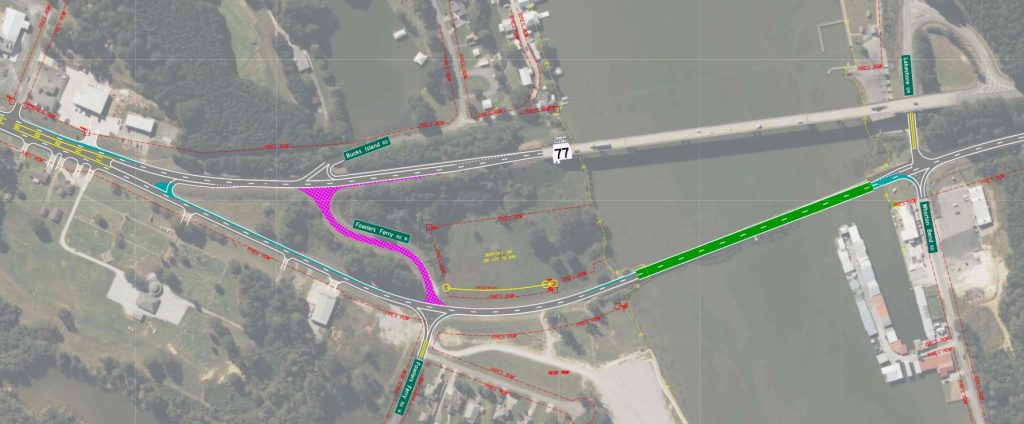
A contract has been awarded for the replacement of the Gilbert’s Ferry Bridge, commonly known as the “Little Bridge,” which carries northbound traffic on Alabama 77 over the Coosa River between Southside and Rainbow City. Transportation Director John Cooper awarded the contract to Scott Bridge Company of Opelika following approval by Gov. Kay Ivey last week. Ivey announced the award Monday. The project will replace the aging bridge with a new two-lane structure designed to improve traffic flow along the heavily traveled corridor. “For almost 90 years, the Gilbert’s Ferry Bridge has carried increasing traffic volume across the Coosa River between Southside and Rainbow City,” Ivey said. “Even after the addition of the larger southbound bridge, congestion remains a problem for northbound traffic on the older bridge.” The existing truss bridge was constructed in 1939 and originally carried traffic in both directions.
This excerpt comes from the named source. Read the original for the full reporting.
Read the original at Gadsden Messenger