Local
Council OKs once divisive building
A Roundtable is a way to meet new people and discuss this article in person at a local coffee shop or other venue.
Roundtables are designed for groups of four, with a shared subject and room for everyone to speak. Come for discussion, with no dating expectation.
Source: Palo Alto Daily Post
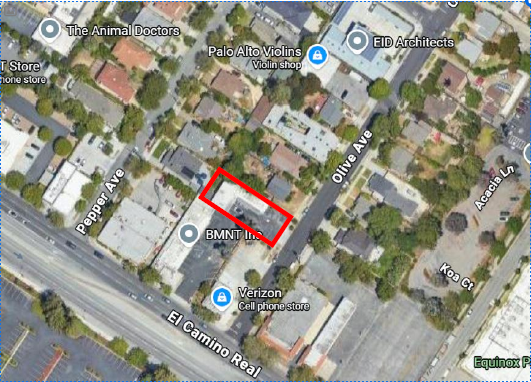
Palo Alto City Council tonight (Nov. 16) voted to allow apartments on a property in the North Ventura neighborhood after the developer agreed not to block the sunlight of neighbors. The debate over the future of 470 Olive Ave. divided the city’s Planning and Transportation Commission in July. But since then, property owners Jessica and Thomas Agramonte agreed to restrict the angle and height of any buildings so that sunlight still gets to their neighbors. Council approved the project unanimously without discussion. “These applicants have been really forthright and responsive to community concerns,” Councilman Pat Burt said. The city has technically allowed one house on the property just off El Camino Real. But an office was built there in 1968 before council approved the one-house limit in 1978.
This excerpt comes from the named source. Read the original for the full reporting.
Read the original at Palo Alto Daily Post