Local
Cubs add Japanese slugger Teruaki Sato
A Roundtable is a way to meet new people and discuss this article in person at a local coffee shop or other venue.
Roundtables are designed for groups of four, with a shared subject and room for everyone to speak. Come for discussion, with no dating expectation.
Source: The Parkersburg News and Sentinel
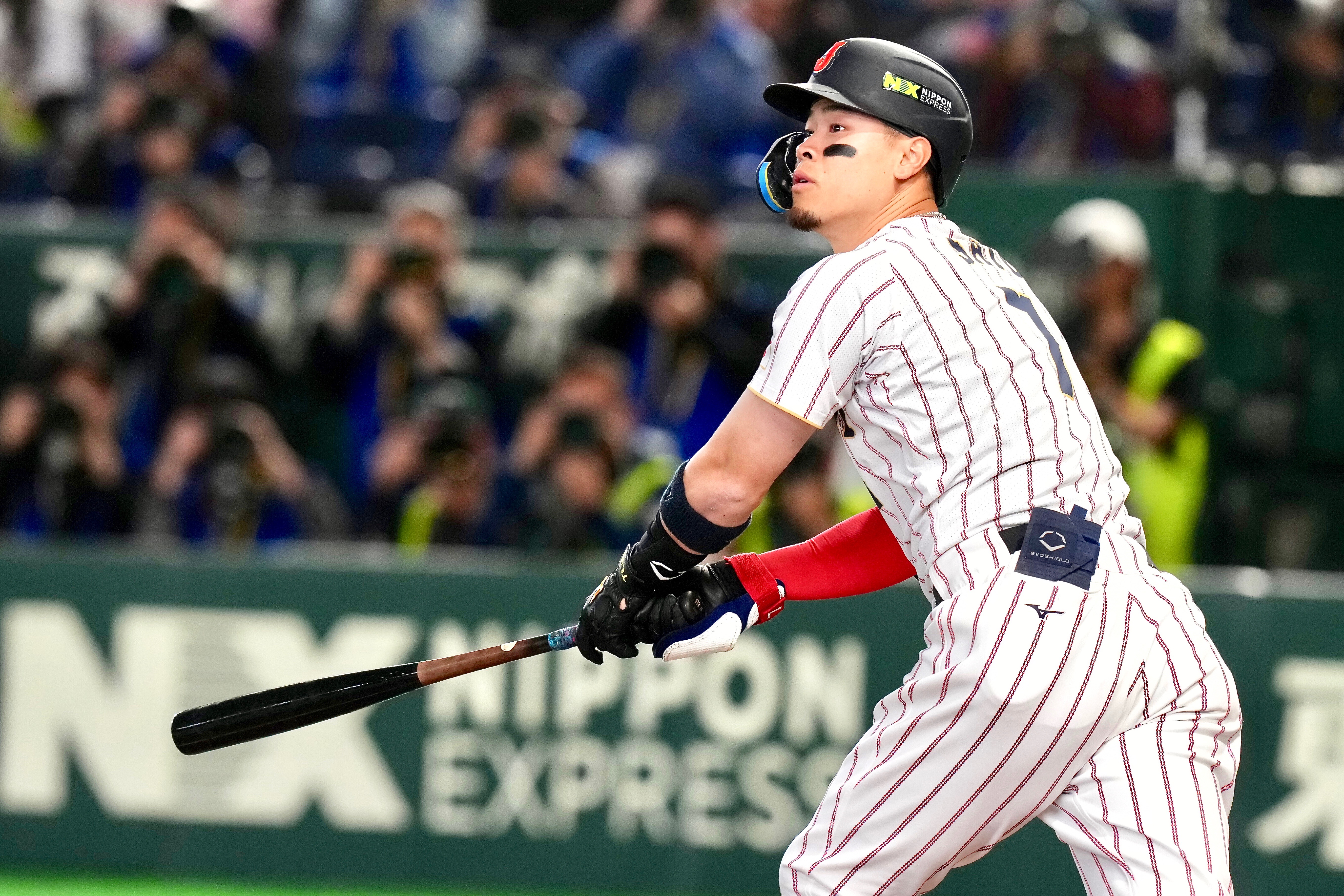
CHICAGO (AP) — The Chicago Cubs have reached deals with two prized free agents, agreeing to terms with left-hander Trevor Rogers and Japanese slugger Teruaki Sato, according to a person with direct knowledge of the deals. The person spoke to The Associated Press on Tuesday on condition of anonymity because the moves were pending physicals. Rogers, 29, joins Chicago’s rotation after agreeing to a $120 million, five-year contract. He went 10-11 with a 4.03 ERA for the Baltimore Orioles this year, making 30 starts. He pitched well in the second half after his ERA was over 6.00 in early June. Sato, 27, likely will be a corner outfielder with the Cubs after also playing third base in Japan. He hit .306 with 39 homers and 106 RBIs for the Hanshin Tigers this year, winning the Central League’s Triple Crown and his second straight MVP award. Chicago is remaking its roster after it was swept by San Diego in the first round of the playoffs.
This excerpt comes from the named source. Read the original for the full reporting.
Read the original at The Parkersburg News and Sentinel