Local
Damming the Siang: Asia’s Dam Race and the Cost to Indigenous Lives
A Roundtable is a way to meet new people and discuss this article in person at a local coffee shop or other venue.
Roundtables are designed for groups of four, with a shared subject and room for everyone to speak. Come for discussion, with no dating expectation.
Source: Fair Observer
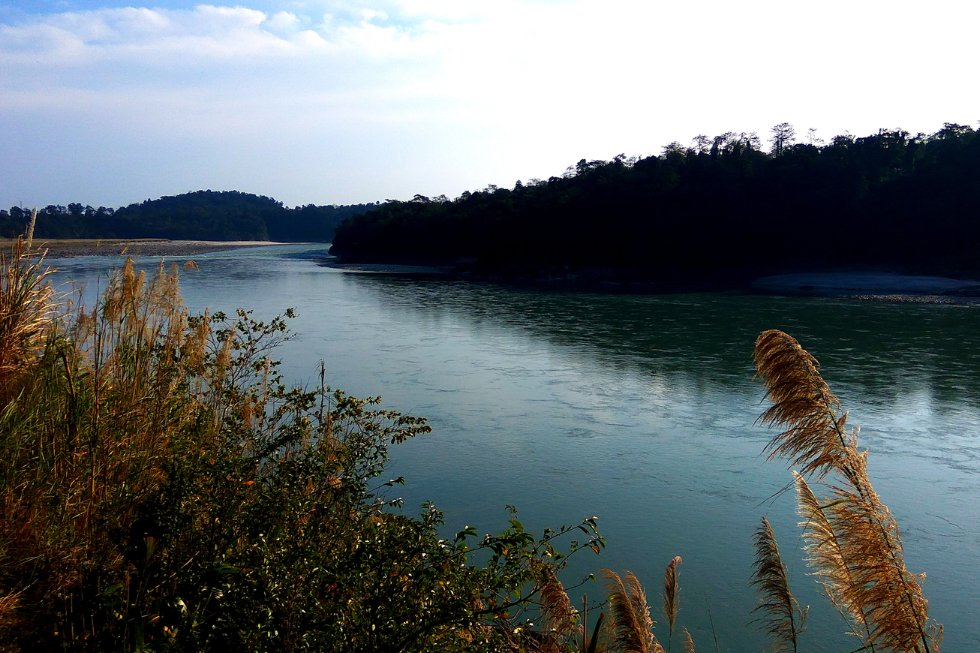
For the Adi people of Arunachal Pradesh, a state in the North-East region of India, the Siang river is a central part of culture. Not only do many depend on the river as a source of water, but they also consider the river to be sacred. The river is now at the center of one of the most contested infrastructure fights in India. Last year, China began building a dam over the Yarlung Tsangpo river. The project, named the Motuo Hydropower Station, would be the world’s largest dam. At about 60,000 MW, it would produce roughly three times the power of the Three Gorges Dam, which displaced 1.3 million people. China has released few details about this project, including how many people will be displaced. Since the project’s announcement, many are concerned that the project will negatively affect those downriver in India and Bangladesh, particularly because the Yarlung Tsangpo feeds into the Siang, Brahmaputra and Jamuna rivers.
This excerpt comes from the named source. Read the original for the full reporting.
Read the original at Fair Observer